

What are the transportation requirements for Ferro Silicon 72?
Leave a message

Hey there! As a supplier of Ferro Silicon 72, I've been getting a lot of questions about the transportation requirements for this product. So, I thought I'd share some insights on what you need to know when it comes to shipping Ferro Silicon 72.
First off, let's talk about what Ferro Silicon 72 is. It's an alloy made up of iron and silicon, with around 72% silicon content. This alloy is widely used in the steel industry as a deoxidizer and in the production of other alloys. It's also used in the foundry industry to improve the quality of cast iron.
Packaging
The packaging of Ferro Silicon 72 is crucial for its safe transportation. Typically, it's packed in either plastic-lined bags or drums. The bags are usually made of high-density polyethylene (HDPE) and can hold anywhere from 500 kg to 1000 kg. Drums, on the other hand, are often used for smaller quantities and can hold around 250 kg.
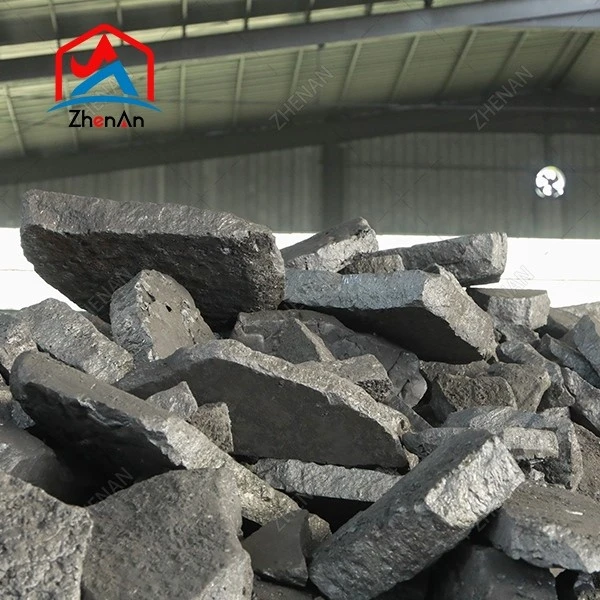
The packaging should be sturdy enough to withstand the rigors of transportation. It should also be sealed properly to prevent any moisture or dust from getting in, as these can affect the quality of the Ferro Silicon 72.
Transport Mode
There are several modes of transportation available for Ferro Silicon 72, including road, rail, sea, and air. The choice of transport mode depends on various factors such as the quantity of the product, the distance to be traveled, and the urgency of the delivery.
- Road Transport: This is a popular choice for short to medium distances. Trucks can be used to transport Ferro Silicon 72 in bags or drums. However, it's important to ensure that the trucks are properly equipped to handle the weight and size of the packages. Also, the roads should be in good condition to avoid any damage to the product during transit.
- Rail Transport: Rail is a cost-effective option for transporting large quantities of Ferro Silicon 72 over long distances. Railcars can carry a significant amount of the product, and the tracks are generally more stable than roads, reducing the risk of damage. However, rail transport may require additional handling at the loading and unloading points.
- Sea Transport: For international shipments, sea transport is often the most economical option. Ferro Silicon 72 can be shipped in containers or bulk carriers. Containers are a popular choice as they provide better protection for the product and are easier to handle. However, it's important to ensure that the containers are properly sealed and secured to prevent any damage during the long journey at sea.
- Air Transport: Air transport is the fastest option but also the most expensive. It's usually used for urgent shipments or when the quantity is small. However, there are strict regulations regarding the transportation of Ferro Silicon 72 by air, and it may require special handling and documentation.
Safety Regulations
When it comes to transporting Ferro Silicon 72, safety is of utmost importance. There are several regulations that need to be followed to ensure the safe handling and transportation of this product.
- Classification: Ferro Silicon 72 is classified as a non-hazardous material. However, it's still important to follow the general safety guidelines for handling and transporting metals.
- Documentation: Proper documentation is required for the transportation of Ferro Silicon 72. This includes a bill of lading, which provides details about the product, the quantity, and the destination. It's also important to have a safety data sheet (SDS) that provides information about the properties and hazards of the product.
- Handling: During loading and unloading, it's important to use proper equipment and techniques to prevent any damage to the product. Workers should be trained in the safe handling of Ferro Silicon 72 to avoid any accidents.
Environmental Considerations
In addition to safety regulations, there are also environmental considerations when it comes to transporting Ferro Silicon 72. The production and transportation of this alloy can have an impact on the environment, so it's important to take steps to minimize this impact.
- Emissions: The transportation of Ferro Silicon 72 by road, rail, or sea can result in emissions of greenhouse gases. To reduce these emissions, it's important to choose the most efficient mode of transport and to use vehicles and vessels that are equipped with the latest emission control technologies.
- Waste Management: During the production and transportation of Ferro Silicon 72, there may be some waste generated. It's important to manage this waste properly to prevent any environmental pollution. This may include recycling or disposing of the waste in an environmentally friendly manner.
Quality Control
Before shipping Ferro Silicon 72, it's important to conduct quality control checks to ensure that the product meets the required specifications. This includes testing the silicon content, the particle size, and the chemical composition of the alloy.
Quality control checks can be carried out using various methods, such as chemical analysis and physical testing. It's important to have a reliable quality control system in place to ensure that the product is of high quality and meets the customer's requirements.
Conclusion
Transporting Ferro Silicon 72 requires careful planning and attention to detail. From packaging to safety regulations, there are several factors that need to be considered to ensure the safe and efficient transportation of this product.
If you're interested in purchasing Ferro Silicon 72, I'd be more than happy to discuss your requirements. We offer high-quality Si72% Ferro Silicon Alloy FeSi 72 and 72% Ferro Silicon 10 - 50mm at competitive prices. We also have a wide range of other products, such as Highly Competitive 99.95 Zinc Ingot.
If you have any questions or would like to discuss your procurement needs, feel free to reach out. We're here to help you find the best solution for your business.
References
- "Ferroalloys: Production, Properties, and Applications" - A comprehensive guide on ferroalloys, including Ferro Silicon 72.
- International Maritime Organization (IMO) regulations for the transportation of non-hazardous materials.
- Safety Data Sheets (SDS) for Ferro Silicon 72 provided by the manufacturer.


