

What are the energy requirements for producing Silicon Metal 411?
Leave a message

If you've ever walked past a solar panel, held a high-end smartphone, or driven a car with a lightweight aluminum engine part, you've used something Silicon Metal 411 helped make. But what most people don't realize is that turning raw rock into that critical grade of silicon is one of the most energy-heavy industrial processes out there. As a supplier who's spent the last decade working with this stuff, I get asked all the time: "How much energy does it even take to make Silicon Metal 411?" It's not a simple number-it depends on a bunch of variables, but I've got the real-world breakdown that most textbooks skip.
First, let's level set on what Silicon Metal 411 actually is, because that's half the battle when talking about its energy needs. Unlike super high-purity silicon used for semiconductors (that's the stuff we cover in the High Purity Silicon Metal With Superior Quality link, though 411 is way less pure), 411 grade is mostly used for aluminum alloying. It's got about 98.5% silicon, plus small amounts of iron, aluminum, and calcium-hence the 4, 1, 1 designations for those primary impurities. If you're here because you work in metallurgy, you might also be familiar with other common grades like 553, which is mostly for aluminum ingots; we've got details on that in the Silicon Metal 553 for Aluminium Ingot Minerals Metallurgy link, too. The impurity levels in 411 aren't just random-they're tailored to lower energy costs in aluminum smelting, actually, because they don't require extra processing when you mix it into molten aluminum. That tailoring starts way before you get to the furnace, though, which is where all the energy magic happens.
The base of Silicon Metal 411 isn't silicon sand from the beach, it's quartzite-hard, crystalline rock mostly made of SiO2, mined in specific regions. We often talk about where silicon metal comes from, because the ore's purity impacts energy use too, and you can check out the Silicon Metal Origin Area for more on that. But even with the right quartzite, turning SiO2 into elemental silicon is a carbothermic reduction reaction-meaning you heat the quartzite with carbon sources (like coal, coke, or wood chips) in a giant arc furnace, super hot, to strip out the oxygen. That's the first big energy sink, and it's where most of the total energy for Silicon Metal 411 gets used.
Let's do the numbers, but keep them real-no jargon-heavy stuff, I promise. Most primary silicon smelters, the ones that make grades like 411 and 553, use between 11,000 and 13,000 kilowatt-hours (kWh) of electricity per ton of silicon metal produced. Wait, that's a huge number-for one ton of material, that's enough to power the average US home for over a year (the average home uses about 10,700 kWh a year, for reference). But here's the thing: that's the total energy for any silicon metal, right? 411 grade doesn't add a ton to that, but there are small differences because of its impurity specs.
Why the range? It all comes down to process efficiency and raw material quality. If your quartzite has higher iron or aluminum content already, you don't need to add as much of those elements later to hit 411's 1% impurity limits-so that cuts down on extra heating steps. Some smelters also use what's called "closed furnace" technology, which captures and burns the carbon monoxide gas that's a byproduct of the reaction to generate heat, instead of wasting it. That can knock off 500-1,000 kWh per ton, which is a huge deal for both costs and carbon footprint. On the flip side, if you're using lower-grade quartzite that needs more processing before it goes into the furnace, or an older furnace with less insulation, you can hit the higher end of that 11k-13k kWh range.
Wait, but what about other energy inputs, not just electricity? A lot of people forget that the carbon sources (coke, coal) are also energy, but most of that is counted as process fuel, not electrical energy. If you total all energy-electricity plus the fuel for pre-processing, furnace operations, and waste heat-you're looking at around 14,000 to 16,000 kWh per ton of Silicon Metal 411. But when suppliers talk about energy requirements for silicon metal, they almost always focus on electricity, because that's the big variable that changes from facility to facility. It's also the part that's most impactful for customers, because electricity costs are a huge part of the final 411 price.
Another thing I see confused all the time is the difference between Silicon Metal 411 and other grades. You've got 2202, which is a higher-purity alloy grade used for stainless steel, and that usually uses a bit more energy-closer to 12,000-14,000 kWh per ton-because it requires a more precise reaction to get the lower impurity levels. 553, the aluminum ingot grade I mentioned earlier, is actually on the lower end, around 10,500-12,000 kWh per ton, since its impurity limits are a bit wider. You can read more on 553's specs in the Physical Properties Of 553 Metallic Silicon link, if you want to dig into that. But 411 is the workhorse, so its energy needs are the most stable for suppliers like me, because we've nailed the process for its specific impurity needs.
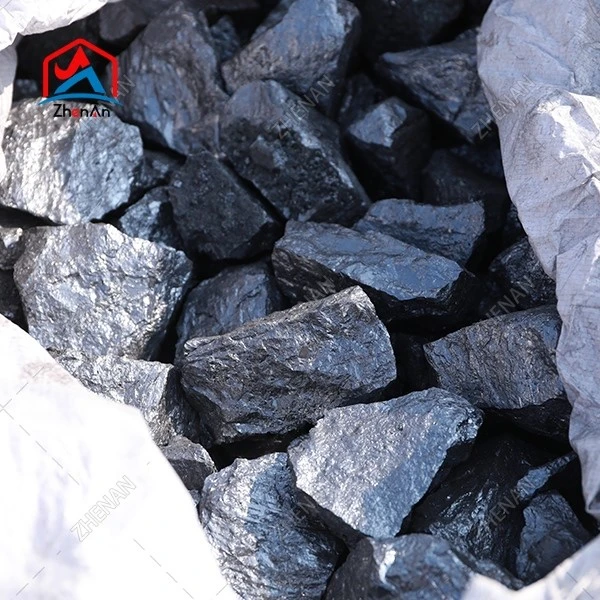
Now, let's talk about real-world factors that affect energy use, because it's not just numbers on a page. Let's say I'm running a smelter in a place with cheap, renewable hydroelectric power-like parts of Canada or Norway-my energy costs for Silicon Metal 411 are way lower than a smelter in a place with high electricity costs, like Western Europe. But even with that, the core energy requirement doesn't shift that much; it's still the same reaction, so you're not going from 10k to 15k kWh just because power is cheaper. What does change is how suppliers optimize that energy. A lot of us (myself included) are switching to more efficient furnaces, adding waste heat recovery systems, and even using recycled silicon scrap to cut down on total production energy. Wait, right-recycled silicon metal uses way less energy, like 10-15% of the energy needed for primary production, because you don't have to melt raw quartzite. But 411 grade is mostly primary, because recycled scrap can vary in impurity levels, so most suppliers use only primary for that grade to keep consistency for aluminum smelters.
Another common question I get: why is Silicon Metal 411's energy use so high compared to other metals? Let's compare it to aluminum, which people think of as energy-heavy too. Aluminum uses about 15,000 kWh per ton, right? Wait, that's almost the same as primary silicon, but silicon metal's process is way more energy-intensive per unit of material because you're breaking very strong chemical bonds in quartzite. The Si-O bond in SiO2 is one of the strongest in nature, so you need a ton of heat to split it apart. That's why arc furnaces for silicon metal run at super high temperatures-around 2,000°C, which is way hotter than the molten aluminum you'd get from a smelter. It's not just a random high number; it's required by the chemistry.
Now, let's get to the part that matters most to people who actually use Silicon Metal 411: how does this energy requirement affect your business? If you're a metal casting company or an aluminum producer, the energy use for 411 grade directly ties to your costs. When energy prices go up, so does the price of Silicon Metal 411, because that's the single biggest input cost for suppliers like me. That's why we're always working on ways to cut energy use-using more efficient furnaces, sourcing cleaner power, optimizing the raw material mix to reduce waste. For example, some suppliers are adding carbon capture systems to their furnaces, which reduces emissions and even can reuse some of the byproducts, cutting down on the need for extra fuel. We've been testing small-scale waste heat recovery at my facility for the last two years, and we've knocked about 8% off our energy use per ton of 411-no small win, especially when you're producing thousands of tons a month.
Wait, but I should clarify: there's no "one-size-fits-all" energy number for Silicon Metal 411. I've seen numbers as low as 10,800 kWh per ton for a super efficient closed furnace, and as high as 13,500 kWh for an older, less optimized furnace. The industry average is right around 12,000 kWh per ton, if you're talking about electrical energy alone. When you include all other energy inputs (fuel for pre-processing, transport of raw materials, etc.), that jumps to roughly 14,500 kWh per ton. But that average shifts every year as new tech comes out and power grids get cleaner. A few years ago, the average was 13,000 kWh, so we're getting better at this.
Let's also bust a common myth: some people think that higher-purity silicon uses way more energy than 411, and that's true, but not by as much as you'd think. The high-purity silicon for semiconductors, like the stuff covered in High Purity Silicon Metal With Superior Quality, uses way more total energy, but only after you've made the 411 or 2202 grade first. The purification process (using methods like the Siemens process) adds on another 100,000+ kWh per ton, because you have to melt and re-crystalize the silicon over and over to get rid of every last impurity. But that's post-411, so it doesn't count towards the 411 production energy we're talking about.
So, what does all this mean if you're in the market for Silicon Metal 411? First, it pays to ask your supplier about their energy efficiency. A supplier that's running older, uninsulated furnaces is going to have higher overall costs, which they might pass on to you, and a bigger carbon footprint. If you're looking for a partner, someone who prioritizes process efficiency (like using closed furnaces, waste heat recovery, and optimized raw material sourcing) will not only give you a more consistent 411 grade but also better pricing, because they're wasting less energy. Also, make sure you're getting the exact grade you need-don't pay for a higher-purity grade than you need, because that's going to have higher energy costs baked into the price.
At the end of the day, Silicon Metal 411 is a critical material for so many industries, and its energy requirements are a big part of its story. As a supplier, I'm always focused on balancing quality, cost, and energy use-because that's what my customers need. Whether you're a small metal fabricator or a large aluminum producer, understanding how energy is used to make 411 helps you make smarter purchasing decisions. If you want to learn more about our 411 grade, or other silicon metal products like 553, check out the links for 3303 Grade Silicon Metal Alloy Industry or the ones I mentioned earlier, or reach out to us to talk about your specific needs.
Don't hesitate to connect with our team to discuss your Silicon Metal 411 requirements, answer any questions about production processes, or get a customized quote tailored to your project needs.
References:
- International Energy Agency. (2022). The Energy Intensity of Industrial Metal Production.
- Silicon Metal Industry Association. (2023). Grade Specifications and Process Efficiency for Commercial Silicon Grades.
- U.S. Department of Energy. (2021). Advanced Industrial Furnace Technologies for Energy Reduction in Metal Production.
- European Aluminum Association. (2022). The Role of Silicon Metal in Aluminum Alloying and Energy Impact.


