

What are the regulatory requirements for Silicon Metal 1101 in different countries?
Leave a message

As a supplier of Silicon Metal 1101, I've witnessed firsthand the dynamic nature of the global silicon metal market. One of the most critical aspects that both suppliers and buyers need to navigate is the regulatory requirements across different countries. These regulations not only ensure the quality and safety of the product but also have a significant impact on international trade. In this blog, I'll explore the regulatory requirements for Silicon Metal 1101 in various countries and how they affect our business.
Regulatory Landscape in the United States
In the United States, the regulatory framework for Silicon Metal 1101 is primarily governed by several federal agencies. The Environmental Protection Agency (EPA) plays a crucial role in regulating the environmental impact of silicon metal production. Silicon metal production involves high - temperature processes that can generate emissions such as particulate matter, sulfur dioxide, and nitrogen oxides. The EPA sets strict limits on these emissions to protect air quality. For example, facilities producing silicon metal must comply with the National Emission Standards for Hazardous Air Pollutants (NESHAP) and obtain the necessary air quality permits.
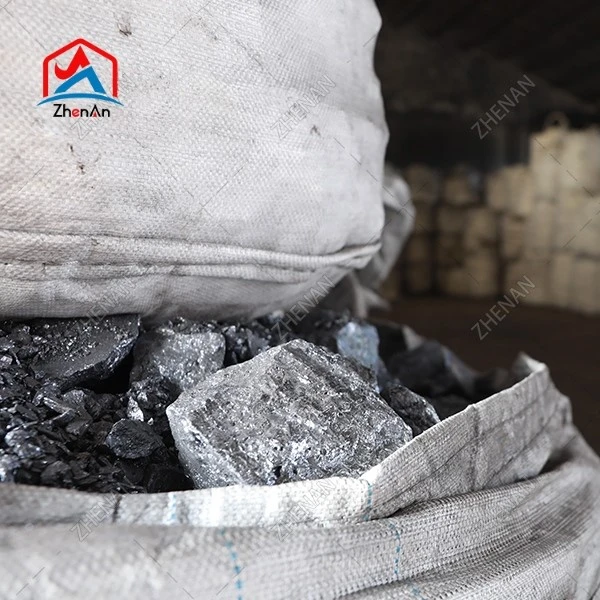
The Occupational Safety and Health Administration (OSHA) is another key regulator. It focuses on ensuring the safety and health of workers in the silicon metal industry. Silicon metal dust can be a respiratory hazard, so OSHA mandates the use of proper personal protective equipment (PPE) such as respirators, gloves, and safety glasses. Employers are also required to provide regular safety training to their workers.
In terms of trade, the United States also has regulations related to import and export controls. The Department of Commerce's Bureau of Industry and Security (BIS) may impose restrictions on the export of certain types of silicon metal if there are national security concerns. However, Silicon Metal 1101 is generally a commodity that can be traded freely, but suppliers must follow proper customs procedures when importing or exporting it. Our company, as a supplier, needs to ensure that our products meet all these regulatory requirements when shipping to the US market. It is essential to work closely with freight forwarders and customs brokers who are well - versed in these regulations to avoid any delays or penalties.
Regulatory Environment in the European Union
The European Union (EU) has a comprehensive and strict regulatory regime for Silicon Metal 1101. The REACH (Registration, Evaluation, Authorization, and Restriction of Chemicals) regulation is a cornerstone of chemical regulation in the EU. Under REACH, all substances produced or imported in quantities of one ton or more per year must be registered with the European Chemicals Agency (ECHA). Silicon Metal 1101 falls under this scope, and suppliers need to provide detailed information about the substance's properties, uses, and potential risks.
The EU also has strict environmental and safety regulations. The Industrial Emissions Directive (IED) sets limits on emissions from industrial plants, including those producing silicon metal. These limits are designed to reduce the environmental impact of industrial activities, such as reducing pollution of air, water, and soil. In addition, the EU's safety regulations ensure that workers in the silicon metal industry are protected from occupational hazards.
When it comes to trade, the EU has adopted a number of measures to ensure fair competition. Anti - dumping and anti - subsidy investigations can be launched if it is suspected that silicon metal is being sold at an artificially low price in the EU market. As a supplier, we need to be aware of these regulations and ensure that our pricing and trading practices comply with EU rules. We also need to label our High Qualiy Silicon Metal 1101 products in accordance with EU standards, providing information on composition, safety precautions, and handling instructions.
Regulatory Requirements in China
China is one of the largest producers and exporters of silicon metal, including Silicon Metal 1101. The Chinese government has implemented a series of regulations to promote the sustainable development of the silicon metal industry. The Ministry of Industry and Information Technology (MIIT) has issued industry access policies to regulate the scale, technology, and environmental protection requirements of silicon metal production enterprises. For example, new silicon metal production projects must meet certain energy - efficiency standards and use advanced production technologies to reduce emissions.
The environmental protection department in China also enforces strict regulations on pollution control. Silicon metal production facilities are required to install pollution treatment equipment and meet the national emission standards for air, water, and solid waste. Non - compliance can result in significant fines and even suspension of production.
In terms of trade, China has regulations on the export of silicon metal. Export quotas and tariffs have been used in the past to regulate the export volume and price of silicon metal. Although the quota system has been gradually phased out, exporters still need to comply with relevant customs and export tax regulations. As a Chinese - based supplier, we are committed to meeting all these regulatory requirements to ensure the high - quality and legal operation of our business.
Regulatory Situation in Japan
Japan has its own set of regulatory requirements for Silicon Metal 1101. The Japanese Ministry of Economy, Trade and Industry (METI) is involved in regulating the quality and safety of industrial products. Silicon metal is subject to quality control standards to ensure its suitability for various industrial applications, such as in the electronics and aluminum alloy industries.
The Japanese environmental regulations also apply to silicon metal production and use. These regulations aim to reduce the environmental impact of industrial activities, including controlling emissions and proper waste management. Suppliers need to ensure that the products they supply meet these environmental requirements.
In the context of trade, Japan has its customs and import regulations. Importers need to provide accurate product information, including the composition and origin of the silicon metal. Our company, when exporting Silicon Metal 1101 to Japan, needs to ensure that all the necessary documentation is in place and that our products meet the Japanese standards.
Impact on the Business
The different regulatory requirements in various countries have a significant impact on our business as a Silicon Metal 1101 supplier. On one hand, these regulations ensure the quality and safety of our products, which helps to build trust with our customers. For example, complying with the high - standard regulations in the EU and the US makes our High Qualiy Silicon Metal 1101 more competitive in these markets.
On the other hand, meeting these regulations also increases our costs. We need to invest in pollution control equipment, conduct regular product testing, and ensure that our employees are well - trained. These additional costs can put pressure on our profit margins. However, we believe that in the long run, compliance with regulations is essential for the sustainable development of our business.
Navigating the Regulatory Maze
To navigate the complex regulatory landscape, we have established a dedicated regulatory compliance team. This team is responsible for keeping track of the latest regulatory changes in different countries, ensuring that our production processes and products meet all the requirements. We also work closely with industry associations and regulatory authorities to stay informed and to provide feedback on the regulations.
In addition, we invest in research and development to continuously improve our production technology. By using more advanced and environmentally friendly production methods, we can not only meet the regulatory requirements but also reduce our production costs. For example, we are exploring new ways to reduce energy consumption and emissions in the silicon metal production process.
Connecting with Customers
If you are interested in purchasing High Qualiy Silicon Metal 1101, we are here to provide you with high - quality products that meet all the regulatory requirements in your country. We also offer other related products such as Industrial Silicon Metal 2202 Metallic Silicon Lump, Silicon Metal 3303 Block, Silicon Metal Grade 3303 Fe 0.3, and Classification Of Silicon Metal 3303. Our team of experts can help you understand the regulatory requirements in your region and provide you with customized solutions. Please feel free to contact us for more information and to start a business negotiation.
References
- Environmental Protection Agency (EPA), United States. "National Emission Standards for Hazardous Air Pollutants (NESHAP)".
- Occupational Safety and Health Administration (OSHA), United States. "Safety Regulations for the Silicon Metal Industry".
- European Chemicals Agency (ECHA). "REACH Regulation".
- Ministry of Industry and Information Technology (MIIT), China. "Industry Access Policies for Silicon Metal Production".
- Japanese Ministry of Economy, Trade and Industry (METI). "Quality and Safety Standards for Industrial Products".


