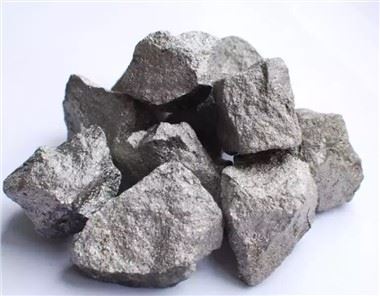

Molybdenum alloy wire rod
Leave a message
Using powder metallurgy method, using ammonium as raw material, selectively reducing molybdenum and adding yttrium oxide, yttrium alloy powder is prepared, mixed with molybdenum solution and roasted, and then pressed, sintered and molybdenum rolling.

Experimental performance processing, alloy wire, wire drawing, industrial production of yttrium Process of alloy molybdenum rod. Add yttrium oxide to the test system and discuss the addition method, content and addition process.

The results show that ball milling additives have a strong refining effect on the reduction of particles in the matrix, and the effect increases with strengthening. ; After adding additives, a small amount of oxygen in the matrix will suddenly increase, and it is inevitable to find changes in grain size and specific surface area; Yttrium does not undergo redox chemical changes, and eventually oxygen in the matrix coats the particles. Form exists.

Shape and contrast of isostatic pressing methods. The results show that one of the reasons for the fragmentation and shrinkage of oxygen-based particles in the coated particles is the addition of oxygen-based particles to improve their performance. Mold and under appropriate conditions, molybdenum-yttrium alloy powder cold isostatic pressing molding process has good performance. The chemical composition of yttrium-molybdenum alloy has a great influence on the sintered billet.

The results show that the melting point impurity content of the sintered alloy blank is low, and after activation sintering, the sintering impurity content is high. The body temperature in the sintered body comes from the body temperature of the heating system and the escape velocity of pore dynamic impurities. The growth of the sintering neck is also related to the atmosphere of the sintering furnace.

Sintered yttrium-molybdenum alloy powder with larger density has excellent processing properties. Under certain conditions, swaging and drawing can be successfully processed into molybdenum alloy wire, and then annealed at 1300°C. It has good matching, and its strength and elongation With good properties, the temperature range at which yttrium alloy molybdenum alloy welding wire can successfully recrystallize is between 1600-1900°C.
If you have any questions about molybdenum, please feel free to contact us via email: info@zaferroalloy.com or phone: +8615896822096.