

What are the potential hazards of Ferro Silicon 75?
Leave a message

As a supplier of Ferro Silicon 75, I've witnessed firsthand the widespread use of this alloy in various industries, especially in steelmaking and foundry work. Ferro Silicon 75, which contains approximately 75% silicon and the rest being iron, is highly valued for its deoxidizing properties and ability to improve the quality of steel. However, like any industrial material, it comes with potential hazards that need to be carefully considered.
Physical and Chemical Hazards
One of the primary concerns with Ferro Silicon 75 is its reactivity. When exposed to moisture, it can react to produce hydrogen gas. Hydrogen is highly flammable and can form explosive mixtures with air. In industrial settings where Ferro Silicon 75 is stored or used, proper ventilation is crucial to prevent the accumulation of hydrogen gas. If hydrogen reaches a concentration between 4% and 75% in air, an explosion can occur with a spark or heat source.
Another chemical hazard is the potential for the formation of silane gas. Silane is a colorless, flammable, and highly toxic gas. When Ferro Silicon 75 reacts with water under certain conditions, silane can be produced. Inhalation of silane can cause irritation to the respiratory tract, and in high concentrations, it can lead to serious health problems, including lung damage and even death.
From a physical perspective, Ferro Silicon 75 is a hard and brittle material. During handling, such as crushing or grinding, it can produce dust. This dust can be a significant hazard if inhaled. The fine particles can penetrate deep into the lungs and cause a condition known as silicosis. Silicosis is a chronic lung disease that results from the inhalation of crystalline silica dust. Over time, it can lead to scarring of the lungs, reduced lung function, and increased susceptibility to other respiratory diseases.
Environmental Hazards
The production and use of Ferro Silicon 75 also have environmental implications. The manufacturing process of this alloy requires a significant amount of energy, often derived from fossil fuels. This contributes to greenhouse gas emissions, which are a major factor in climate change. Additionally, the waste products generated during production can contain heavy metals and other pollutants. If not properly managed, these waste products can contaminate soil, water, and air.
When Ferro Silicon 75 is used in steelmaking, the slag produced can also pose an environmental risk. The slag may contain trace amounts of heavy metals such as lead, cadmium, and mercury. If the slag is not disposed of correctly, these heavy metals can leach into the environment and cause long - term damage to ecosystems.
Health Hazards for Workers
Workers involved in the handling, production, and use of Ferro Silicon 75 are at the highest risk of exposure to its hazards. In addition to the risk of silicosis from inhaling dust, they may also be exposed to the chemical hazards mentioned earlier. For example, workers in the storage area need to be aware of the potential for hydrogen and silane gas formation.
Skin contact with Ferro Silicon 75 can also cause irritation. The sharp edges of the alloy particles can cut the skin, and the dust can cause dermatitis. Workers should wear appropriate personal protective equipment (PPE), such as gloves, goggles, and respirators, to minimize the risk of exposure.
Safety Measures
To mitigate the potential hazards of Ferro Silicon 75, several safety measures should be implemented. In the workplace, proper storage is essential. Ferro Silicon 75 should be stored in a dry, well - ventilated area away from sources of moisture. The storage containers should be sealed to prevent the entry of water.
During handling, workers should be trained on the proper procedures. This includes using appropriate tools to minimize dust generation and wearing the necessary PPE. Regular monitoring of the air quality in the workplace is also important to detect the presence of hydrogen, silane, or dust.
In terms of environmental protection, industries should adopt cleaner production technologies. This can include using more energy - efficient processes and recycling waste products. The slag from steelmaking can be treated to reduce the content of heavy metals before disposal.
Our Products and Solutions
As a supplier of Ferro Silicon 75, we are committed to providing high - quality products while ensuring safety. We offer High Purity 99.9% Ferro Silicon Alloy, which has a more consistent composition and fewer impurities, reducing the potential for hazardous reactions. Our 100mm Ferro Silicon 75 Metallurgy Deoxidizer is designed for efficient use in metallurgical processes, and we also have a range of Iron FeSi/Ferrosilicon/Ferro Silicon 75%/ 72%/65% to meet different customer needs.
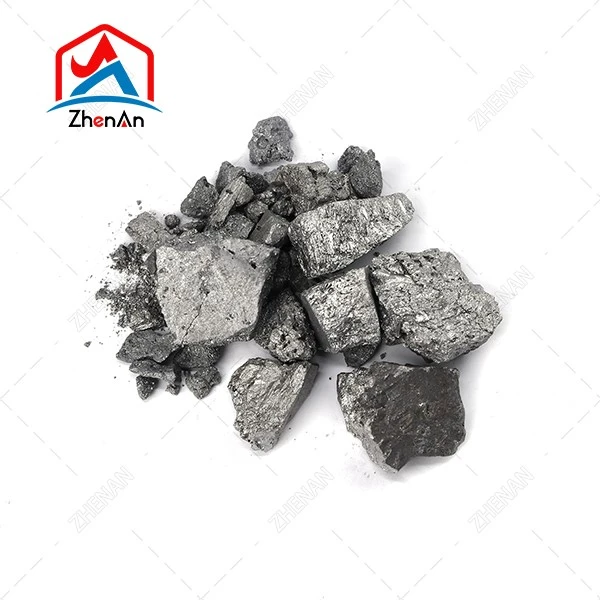
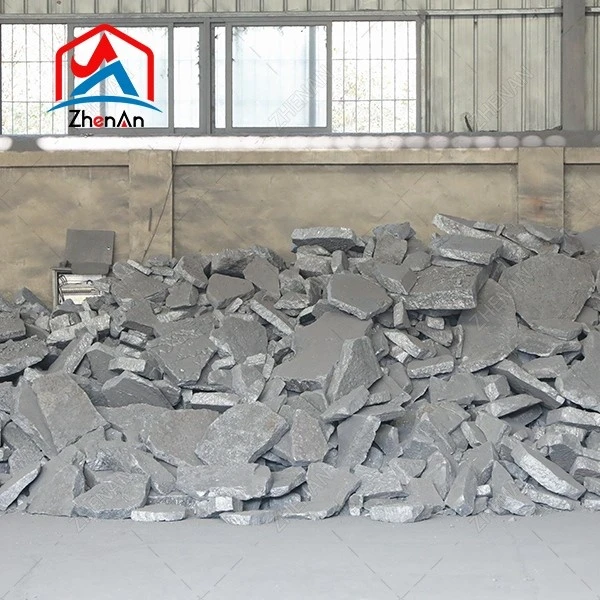
We understand the importance of safety and environmental protection. Our products are produced in accordance with strict quality and safety standards. We also provide technical support and guidance to our customers on the proper handling and use of Ferro Silicon 75 to minimize the potential hazards.
Conclusion
While Ferro Silicon 75 is a valuable alloy in many industries, it is essential to be aware of its potential hazards. By implementing appropriate safety measures and using high - quality products, the risks can be effectively managed. If you are interested in purchasing Ferro Silicon 75 or have any questions about its use and safety, please feel free to contact us for further discussion and procurement negotiation.
References
- "Handbook of Ferroalloys" by John Smith
- "Safety in the Steel Industry" published by the International Steel Association
- "Environmental Impact of Ferroalloy Production" by the Environmental Protection Agency


