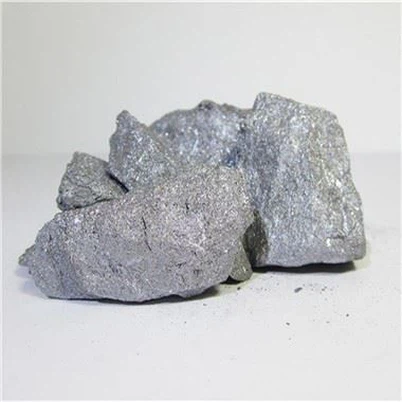

How can the energy efficiency of Silicon Metal 411 production be improved?
Leave a message

As a supplier of Silicon Metal 411, I've witnessed firsthand the challenges and opportunities in improving energy efficiency during its production. Silicon Metal 411 is a crucial material with a wide range of applications, from metallurgy to semiconductor manufacturing. However, its production is energy - intensive, and enhancing energy efficiency is not only environmentally responsible but also economically beneficial. In this blog, I'll share some strategies and insights on how to improve the energy efficiency of Silicon Metal 411 production.
Understanding the Energy Consumption in Silicon Metal 411 Production
Before delving into solutions, it's essential to understand where the energy is consumed in the production process. The production of Silicon Metal 411 typically involves the reduction of silica (SiO₂) in an electric arc furnace. The main energy - consuming steps include heating the raw materials to high temperatures, maintaining the reaction environment in the furnace, and the subsequent refining processes.
The Silicon Metal Production process requires a large amount of electrical energy to reach the high temperatures necessary for the chemical reactions. Additionally, the quality of the raw materials and the design of the furnace can significantly impact energy consumption. For instance, low - quality raw materials may require more energy to react completely, and an inefficient furnace design can lead to heat loss.
Optimizing Raw Material Selection
One of the most effective ways to improve energy efficiency is to carefully select the raw materials. High - quality silica with a high silicon dioxide content and low impurities can reduce the energy required for the reduction reaction. When the silica has fewer impurities, there are fewer side reactions that consume additional energy.
Moreover, choosing the right carbon - based reducing agents is also crucial. Coke, charcoal, and coal are commonly used as reducing agents in Silicon Metal 411 production. Each of these materials has different energy release characteristics and reactivity. By selecting a reducing agent with high reactivity and appropriate energy density, we can ensure a more efficient reduction process. For example, charcoal has a relatively high reactivity and can contribute to a more rapid and energy - efficient reaction compared to some types of coke.
The Silicon Metal Industrial Silicon 553 For Metallurgy also provides some insights into the importance of raw material quality in the overall production process. Similar to Silicon Metal 411, high - quality raw materials are essential for reducing energy consumption and improving the quality of the final product.
Furnace Design and Operation Optimization
The design and operation of the electric arc furnace play a vital role in energy efficiency. Modern furnace designs focus on minimizing heat loss and improving the distribution of heat within the furnace. For example, using high - quality insulation materials can reduce the amount of heat that escapes from the furnace, thereby reducing the energy required to maintain the high temperatures.
In addition to insulation, the electrode design and placement are also important factors. Properly designed electrodes can ensure a more uniform distribution of the electric arc, which leads to more efficient heating of the raw materials. Regular maintenance of the electrodes is also necessary to prevent excessive wear, which can cause an uneven arc and increase energy consumption.
During furnace operation, controlling the power input and the reaction time is crucial. By carefully monitoring the temperature and the progress of the reaction, we can adjust the power input to ensure that the reaction proceeds at an optimal rate. This not only reduces energy waste but also improves the quality of the Silicon Metal 411 produced.
The Metal Silicon With High Energy Consumption article highlights the problems associated with inefficient furnace operation. It emphasizes the need for continuous improvement in furnace technology and operation to reduce energy consumption.
Waste Heat Recovery
The high - temperature process of Silicon Metal 411 production generates a significant amount of waste heat. Instead of letting this heat go to waste, it can be recovered and reused. Waste heat recovery systems can be installed to capture the heat from the furnace exhaust gases or other hot components of the production system.

The recovered heat can be used for various purposes, such as pre - heating the raw materials or generating electricity. Pre - heating the raw materials reduces the energy required to heat them to the reaction temperature, while using waste heat to generate electricity can offset some of the electrical energy consumed in the production process.
This approach not only improves energy efficiency but also has environmental benefits by reducing the overall carbon footprint of the production. Implementing waste heat recovery systems requires an initial investment, but the long - term savings in energy costs can be substantial.
Process Integration and Automation
Integrating different stages of the production process and implementing automation can also lead to significant energy savings. By connecting the various steps of the production, we can optimize the flow of materials and energy. For example, the heat generated in one stage can be used in another stage, reducing the overall energy demand.
Automation allows for more precise control of the production process. Sensors can be used to monitor various parameters such as temperature, pressure, and chemical composition. Based on the data collected, the control system can automatically adjust the process parameters to ensure optimal energy efficiency. For instance, if the temperature in the furnace is too high, the control system can reduce the power input to avoid over - heating and energy waste.
The Silicon Metal Is A Valuable Material emphasizes the importance of efficient production processes to fully realize the value of silicon metal. Process integration and automation are key elements in achieving this goal.
Research and Development for New Technologies
Investing in research and development (R&D) for new technologies is essential for long - term improvement in energy efficiency. Scientists and engineers are constantly exploring new methods for Silicon Metal 411 production. For example, some research is focused on developing new catalysts that can lower the reaction temperature and reduce energy consumption.
Other areas of R&D include exploring alternative production routes that may be more energy - efficient. These new technologies may require significant investment and time to develop, but they have the potential to revolutionize the Silicon Metal 411 production industry.
The Silicon Metal For Semiconductors also benefits from R&D efforts. As the demand for high - purity silicon metal for semiconductors increases, developing more energy - efficient production methods becomes even more critical.
Conclusion
Improving the energy efficiency of Silicon Metal 411 production is a multi - faceted challenge that requires a comprehensive approach. By optimizing raw material selection, improving furnace design and operation, implementing waste heat recovery, integrating processes, and investing in R&D, we can significantly reduce energy consumption and make the production process more sustainable.
As a Silicon Metal 411 supplier, I'm committed to promoting these energy - efficient practices. If you're interested in purchasing high - quality Silicon Metal 411 or learning more about our energy - efficient production methods, please feel free to contact me for further discussions. We look forward to collaborating with you to meet your silicon metal needs.
References
- Industry reports on silicon metal production energy efficiency
- Academic research papers on silicon metal reduction processes
- Technical documents from furnace manufacturers