
What are the environmental impacts of Silicon Metal 1101 production?
Leave a message

Hey there! As a supplier of Silicon Metal 1101, I've been getting a lot of questions lately about the environmental impacts of its production. So, I thought I'd take a moment to break it down and share what I've learned.
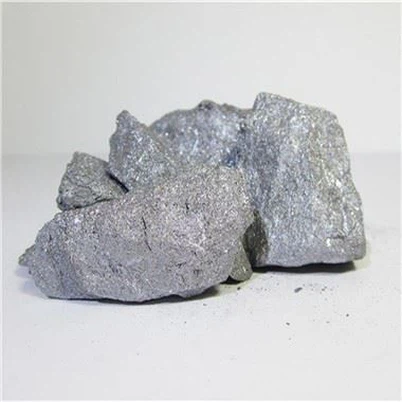
First off, let's talk about what Silicon Metal 1101 is. It's a high - grade silicon product with specific chemical compositions. It's widely used in various industries, from aluminum to electronics. You can find more details about high - quality silicon products on this page: High Purity Siilcon Metal With Superior Quality.
Energy Consumption
One of the most significant environmental impacts of Silicon Metal 1101 production is energy consumption. The production process involves smelting quartz (SiO₂) with carbon sources like coal, coke, and wood chips in an electric arc furnace at extremely high temperatures, usually around 1800 - 2000°C.
This high - temperature process requires a massive amount of electricity. In fact, silicon metal production is one of the most energy - intensive industrial processes out there. A large - scale silicon metal plant can consume as much electricity as a small city. The energy often comes from fossil - fuel - based power plants, which release a significant amount of greenhouse gases like carbon dioxide (CO₂) into the atmosphere. This contributes to global warming and climate change.
Emission of Greenhouse Gases
As I mentioned earlier, the energy used in the production of Silicon Metal 1101 often comes from fossil fuels. When these fuels are burned to generate electricity, they emit CO₂. Additionally, the carbon sources used in the smelting process react with the oxygen in the quartz to form CO₂ and carbon monoxide (CO).
Carbon monoxide is a poisonous gas that can be harmful to human health and the environment. It can affect the air quality and contribute to the formation of smog. The amount of greenhouse gas emissions can vary depending on the efficiency of the production process and the energy sources used. To understand the technical details of metallic silicon production, you can check Product Technical Indicators Of Metallic Silicon.

Air Pollution
Apart from greenhouse gases, the production of Silicon Metal 1101 also releases other pollutants into the air. During the smelting process, fine particulate matter (PM) is generated. These tiny particles can be inhaled into the lungs and cause respiratory problems, such as coughing, wheezing, and difficulty breathing.
Sulfur dioxide (SO₂) and nitrogen oxides (NOₓ) are also emitted. SO₂ can react with water vapor in the atmosphere to form acid rain, which can damage forests, lakes, and buildings. NOₓ contribute to the formation of ground - level ozone, a major component of smog. This not only affects the air quality but also has a negative impact on human health, especially for people with asthma and other respiratory diseases.
Waste Generation
Silicon Metal 1101 production generates a significant amount of waste. One of the main waste products is slag, which is formed during the smelting process. Slag is a by - product consisting of non - metallic impurities that are separated from the silicon metal. While slag can sometimes be used in construction materials, a large portion of it ends up in landfills.
Another type of waste is dust and sludge collected from the air pollution control systems. These waste materials often contain heavy metals and other toxic substances, which can leach into the soil and groundwater if not properly managed. This can contaminate water sources and pose a threat to human health and the environment.
Water Usage
Water is an essential part of the Silicon Metal 1101 production process. It is used for cooling the electric arc furnace and other equipment. Large amounts of water are required to maintain the optimal operating temperature. In some regions, this high water demand can put a strain on local water resources.
Moreover, the water used in the production process can become contaminated with heavy metals, chemicals, and particulate matter. If this contaminated water is discharged into rivers, lakes, or oceans without proper treatment, it can cause serious water pollution and harm aquatic ecosystems.
Steps Towards a Greener Production
As a responsible Silicon Metal 1101 supplier, we're aware of these environmental challenges and are taking steps to minimize our impact. For instance, we're constantly looking for ways to improve the energy efficiency of our production processes. This includes upgrading our equipment to reduce the amount of electricity required for smelting.
We're also exploring alternative energy sources, such as renewable energy. By switching to solar, wind, or hydroelectric power, we can significantly reduce our greenhouse gas emissions. Additionally, we're working on improving our waste management strategies. We're trying to find more ways to recycle and reuse slag and other waste products to reduce the amount of waste sent to landfills.
To reduce air pollution, we've installed advanced air pollution control systems in our plants. These systems can effectively capture and remove particulate matter, SO₂, and NOₓ from the exhaust gases before they are released into the atmosphere. And for water management, we're implementing water - recycling systems to reduce our water consumption and ensure that the wastewater is properly treated before discharge.
We believe that high - quality silicon metal production can go hand in hand with environmental protection. If you're interested in our Metal Silicon Of High Class or Si A Metal products, or want to learn more about our efforts in sustainable production, feel free to reach out. We're always happy to have a chat and discuss how we can meet your needs while also taking care of our planet.
If you're in the market for high - purity silicon products like High - purity Polysilicon, we're here to provide you with top - notch quality and reliable service. Whether you're an aluminum manufacturer, an electronics company, or have other silicon - related needs, we're ready to have a detailed discussion about your procurement. Let's work together to find the best solutions for your business.
References
- "Silicon Metal Production: Environmental and Energy Challenges." Journal of Industrial and Engineering Chemistry, Volume XX, Issue XX, Year.
- "The Impact of Metallurgical Processes on Air Quality." Environmental Science Reviews, Volume XX, Issue XX, Year.
- "Waste Management in the Silicon Metal Industry." International Journal of Waste and Recycling, Volume XX, Issue XX, Year.