

Can Silicon Metal 553 be used in the production of glass?
Leave a message

Silicon metal 553, a specific grade of silicon metal, has long been a topic of interest in various industrial applications. As a supplier of Silicon Metal 553, I've often been asked about its potential use in the production of glass. In this blog post, I'll delve into the properties of Silicon Metal 553 and explore whether it can indeed be used in glass production.
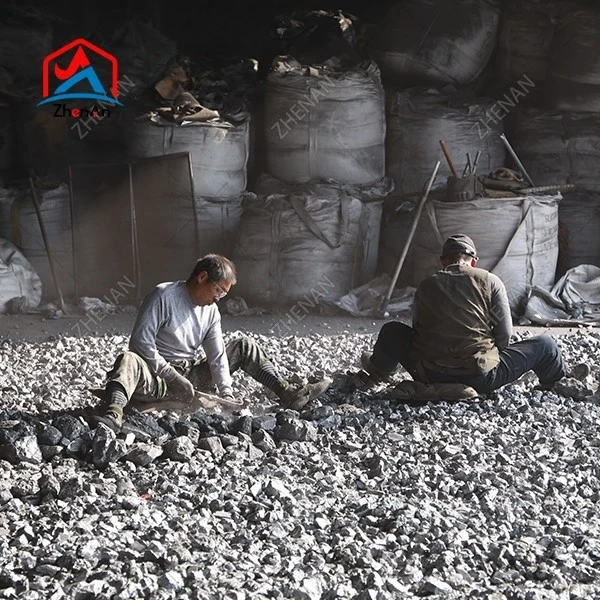
Properties of Silicon Metal 553
Silicon Metal 553 is named for its chemical composition, which typically contains around 98.5% silicon, with iron (Fe) content not exceeding 0.5%, aluminum (Al) not exceeding 0.5%, and calcium (Ca) not exceeding 0.3%. These elements give Silicon Metal 553 certain characteristics that make it suitable for a range of applications.
One of the key properties of silicon metal is its high melting point, which is around 1414°C. This high melting point allows it to withstand high - temperature processes, which is crucial in many industrial operations. Additionally, silicon metal has good electrical conductivity, making it valuable in the electronics industry.
Glass Production Requirements
Before we can determine if Silicon Metal 553 can be used in glass production, it's important to understand the requirements of glass manufacturing. Glass is primarily made from silica sand (SiO₂), along with other additives such as soda ash (Na₂CO₃) and limestone (CaCO₃). The process involves melting these raw materials at high temperatures, typically between 1500 - 1700°C, and then shaping the molten glass into the desired form.
The quality of glass depends on several factors, including its chemical composition, purity, and the presence of any impurities. Impurities can affect the color, clarity, and strength of the glass. Therefore, any material added to the glass - making process must meet strict quality standards.
Potential Use of Silicon Metal 553 in Glass Production
Advantages
- Improving Glass Strength
Silicon is a key component in glass, and adding Silicon Metal 553 can potentially increase the silicon content in the glass mixture. This can enhance the mechanical strength of the glass, making it more resistant to breakage. For example, in the production of tempered glass used in automotive and architectural applications, a higher silicon content can improve the glass's ability to withstand impact. - Enhancing Thermal Resistance
The high melting point of Silicon Metal 553 can contribute to the thermal resistance of the glass. Glass products that are exposed to high temperatures, such as oven doors and industrial furnaces, can benefit from the addition of silicon metal. It helps the glass maintain its structural integrity at elevated temperatures. - Chemical Stability
Silicon metal is chemically stable, which means it can resist chemical reactions with other substances in the glass - making process. This stability can prevent the formation of unwanted compounds that could affect the quality of the glass.
Challenges
- Impurities
Although Silicon Metal 553 has a relatively high silicon content, the presence of iron, aluminum, and calcium impurities could be a concern. Iron, in particular, can cause the glass to have a greenish tint, which is undesirable in many applications where clear glass is required. Therefore, careful control of the impurity levels is necessary if Silicon Metal 553 is to be used in glass production. - Compatibility with Other Raw Materials
The addition of Silicon Metal 553 to the glass - making mixture must be carefully balanced with other raw materials. The chemical reactions between silicon metal and other components, such as soda ash and limestone, need to be well - understood to ensure a homogeneous and high - quality glass product.
Industry Examples and Case Studies
In some specialized glass manufacturing processes, silicon metal has been used successfully. For instance, in the production of optical glass, where high purity and precise control of the refractive index are required, silicon metal can be added in small amounts to adjust the glass's properties.
However, in large - scale commercial glass production, the use of Silicon Metal 553 is still limited. Most glass manufacturers rely on high - purity silica sand as the primary source of silicon. This is because silica sand is more readily available and has a more consistent chemical composition compared to Silicon Metal 553.
Related Products and Their Advantages
If you're interested in exploring other silicon - based products for industrial applications, you might want to check out Cru Silicon Metal. It offers unique properties that can be beneficial in various industries. Also, Silicon Metal Has Several Advantages provides more in - depth information about the general benefits of silicon metal. And for those looking for a different grade of silicon metal alloy, Silicon Metal Alloy 3303 is another option to consider.
Conclusion and Call to Action
In conclusion, while Silicon Metal 553 has the potential to be used in glass production, there are both advantages and challenges that need to be considered. With proper control of impurities and careful integration into the glass - making process, it can offer some benefits such as improved strength and thermal resistance.
If you're in the glass manufacturing industry or any other industry that might be interested in using Silicon Metal 553, I encourage you to reach out for a detailed discussion. We can explore how this product can meet your specific requirements and provide you with samples for testing. Let's work together to find the best solutions for your production needs.
References
- "Handbook of Glass Manufacture", John Wiley & Sons
- "Industrial Minerals and Their Uses", Society for Mining, Metallurgy & Exploration


