
What Are The Advantages Of Using Ferrotitanium in Metallurgy?
Leave a message


Ferrotitanium is an iron-titanium alloy widely used in steelmaking and metallurgical processes. It typically contains titanium (20%–75%) with iron as the balance element. Due to its strong chemical reactivity, it plays an essential role in improving steel cleanliness and mechanical performance.
It is commonly used in high-performance steel grades, stainless steel production, and specialty alloy manufacturing.
What Is Ferrotitanium?
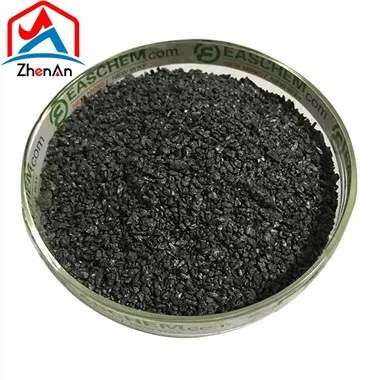
Ferrotitanium (FeTi) is produced by combining titanium scrap, iron scrap, and titanium-bearing materials through high-temperature smelting.
The resulting alloy is used as an additive in steelmaking to remove impurities such as oxygen, nitrogen, sulfur, and carbon compounds.
It is supplied in lump or granular form depending on application requirements.
How Is Ferrotitanium Produced?
The production process involves high-temperature alloying in electric arc furnaces or induction furnaces:
- Selection of titanium scrap or sponge titanium
- Addition of iron scrap or pig iron
- Melting under controlled atmosphere
- Alloy formation and composition adjustment
- Cooling, crushing, and sizing
Quality control is critical to ensure stable titanium content and low impurity levels.
Chemical Composition and Grades
| Grade | Ti Content (%) | Fe Content (%) | Main Application |
|---|---|---|---|
| FeTi-30 | 30 ± 5 | Balance | General steel deoxidation |
| FeTi-40 | 40 ± 5 | Balance | Alloy steel production |
| FeTi-70 | 70 ± 5 | Balance | High-performance stainless steel |
Technical Characteristics
| Property | Description |
|---|---|
| Form | Lump / Granular |
| Main Elements | Ti, Fe |
| Function | Deoxidation, denitrogenization, grain refinement |
| Reactivity | Very high affinity for oxygen and nitrogen |
| Melting Behavior | Stable in ladle refining systems |
Key Advantages of Ferrotitanium in Metallurgy
Ferrotitanium offers multiple metallurgical advantages that make it essential in modern steel production.
1. Strong Deoxidation Capability
Titanium reacts rapidly with oxygen, reducing oxygen content in molten steel and improving purity.
2. Nitrogen Control
It effectively binds nitrogen, preventing formation of brittle nitrides in steel.
3. Grain Refinement
Titanium promotes fine grain structures, enhancing toughness and mechanical strength.
4. Inclusion Modification
It transforms harmful inclusions into stable compounds, improving steel quality.
5. Improved Mechanical Properties
Steel treated with ferrotitanium exhibits higher strength, ductility, and fatigue resistance.
Ferrotitanium in Steelmaking Applications
Ferrotitanium is widely used in steel refining processes, especially in:
- Stainless steel production
- High-strength low-alloy (HSLA) steel
- Pipeline steel
- Automotive structural steel
- Tool and die steel
It is typically added in the ladle refining stage for precise composition control.
Ferrotitanium vs Other Alloy Additives
| Material | Main Function | Performance |
|---|---|---|
| Ferrotitanium | Deoxidation + Grain refinement | High efficiency, stable reaction |
| Ferrosilicon | Deoxidation | Medium efficiency |
| Ferro manganese | Desulfurization & strengthening | Good mechanical improvement |
Industrial Importance
Ferrotitanium is a critical alloy in advanced metallurgy due to its ability to improve steel cleanliness and structural performance simultaneously.
It is especially important in industries requiring high reliability, such as automotive, aerospace, and energy infrastructure.
Procurement Guidelines
When purchasing ferrotitanium, consider the following factors:
- Titanium content stability
- Impurity levels (C, S, P, O, N)
- Particle size and form
- Application-specific grade selection
- Supplier production consistency
- Certification (COA, ISO compliance)
Stable composition ensures predictable steel performance and production efficiency.
Frequently Asked Questions (FAQ)
What is ferrotitanium used for?
It is used for deoxidation, nitrogen removal, and grain refinement in steelmaking.
Why is titanium important in steel?
Titanium improves strength, toughness, and reduces harmful inclusions.
What are common ferrotitanium grades?
Common grades include FeTi-30, FeTi-40, and FeTi-70.
Is ferrotitanium better than ferrosilicon?
Yes, in nitrogen control and grain refinement, ferrotitanium performs better.
What industries use ferrotitanium?
Steel, automotive, aerospace, and construction industries.
What is the form of supply?
It is supplied in lump or granular form.
Does ferrotitanium improve steel strength?
Yes, it significantly enhances mechanical strength and toughness.
Can it be used in stainless steel?
Yes, especially in high-performance stainless steel grades.
What is the main element in ferrotitanium?
Titanium (Ti), typically 20%–75% depending on grade.
How to get pricing?
Provide grade, titanium content, and quantity for quotation.
Contact Information
ZhenAn International
Email: info@zaferroalloy.com
WhatsApp: +86 15518824805
Global Supplier of Ferro Alloy Materials for Advanced Metallurgy