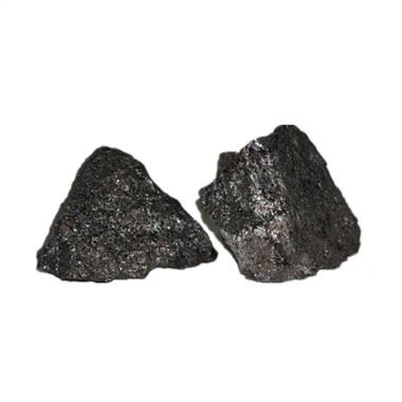

US Silicon Metal Price (Sep 25, 2023) DDP
Leave a message
US Silicon Metal Price (September 25, 2023)
Timeliness note: the quote below is a historical snapshot dated September 25, 2023, for reference and trend analysis only. Confirm current prices with live market sources and supplier quotations.
1. Price Snapshot
| Grade | Price | Change | Unit | Terms |
|---|---|---|---|---|
| 98.5% | 2.75-3.5 | - | USD/lb | DDP |
The wide range (about 27%) reflects differences in purity level, batch, quantity and delivery conditions; confirm the exact specification and terms with the supplier.
2. Market Background
The US silicon metal market depends heavily on imports (from Brazil, Norway, and increasingly from Asian producers); trade measures such as antidumping duties have repeatedly shaped the price level.
Prices are quoted per pound (USD/lb) on DDP or delivered basis in the US market.
Demand drivers: silicones, aluminum alloys, and the growing polysilicon/photovoltaic supply chain.
3. Main Uses of Silicon Metal
Silicones: silicone rubber, silicone resin and silicone oil production.
High-purity semiconductors: silicon metal is the starting material for polysilicon and electronic-grade silicon.
Specialty alloys: aluminium-silicon alloys and other special-purpose alloys.
4. How to Use This Data
Treat the figure as historical context, not a current price.
For procurement, request live quotes with grade (98.5%/99%), form (lump/powder), packing and Incoterms.
5. US Market Structure: Import Dependence and Trade Measures
Domestic silicon metal production in the United States covers only part of national consumption, so the market is structurally dependent on imports. Traditional supply sources include Brazil and Norway, and Asian producers have been increasing their share of US imports in recent years. Because the product is traded internationally, trade policy is part of the price equation: antidumping and countervailing duty cases against silicon metal from specific countries have repeatedly changed the effective cost of those origins, and each new case shifts demand toward origins that are not subject to the measure. The result is a market where the published range can be wide, because the same nominal grade arriving under different duty treatments and from different origins genuinely costs different amounts at the buyer's door.
6. DDP Quotations and the US Pricing Convention
US silicon metal is conventionally quoted in US dollars per pound on a delivered basis, often DDP, which means the seller bears the freight, insurance, import clearance and applicable duties up to the agreed destination. This convention differs from the FOB export basis used in Asian markets, so a direct comparison of a US dollar-per-pound DDP figure with an Asian dollar-per-tonne FOB figure requires a full build-up: currency unit conversion, freight, duty and the difference between delivered and FOB scope. The wide range of the September 25, 2023 quote, 2.75 to 3.5 USD/lb, illustrates why the exact specification matters: purity level, lot size, order quantity and the precise delivery terms all sit inside that band, and a buyer comparing two offers must align each of those variables before ranking them.
7. Demand Drivers Across US Industry
Three demand pools shape the US silicon metal market. The silicones industry converts silicon metal into silicone rubber, resin and oil, and is the most stable consumer of the chemical-grade material. The aluminium sector uses silicon additions in aluminium-silicon casting alloys, where silicon improves fluidity and wear behaviour. The fastest-moving pool is the photovoltaic and semiconductor supply chain: silicon metal is the starting point for polysilicon, which is further refined into solar-grade and electronic-grade material. Because these industries run on different cycles, US silicon demand does not move with steel activity alone; a quarterly view of the market typically separates chemical demand, aluminium demand and polysilicon capacity additions to explain what is driving the price at any moment.
Frequently Asked Questions
What does the 98.5% grade refer to in the US quotation? It is the minimum silicon content of the metal, 98.5%, which is the reference purity commonly quoted for silicon metal traded on the US market. Material sold against this grade carries defined maxima for iron, aluminium and calcium, and the same nominal grade can still vary in price with the actual lot analysis and the impurity profile the buyer's process can tolerate.
Why is the US price quoted in USD per pound? The pound is the customary weight unit for metals trading in the United States, so silicon metal is quoted in USD/lb on delivered terms such as DDP. International suppliers often quote the same material in USD per tonne on an FOB basis, and converting between the two requires both the unit conversion and the difference in delivery scope to be taken into account.
Why is the September 25, 2023 range as wide as 2.75 to 3.5 USD/lb? The range, roughly 27% between the low and high ends, reflects genuine differences between transactions: purity level within the grade, lot analysis, order quantity and the exact delivery conditions. It is a band of concluded and offered business rather than a single uniform price, which is why the specification and terms behind each number must be confirmed before the figure is used.
What does DDP mean in the quotation? DDP, or Delivered Duty Paid, means the seller is responsible for delivering the material to the agreed destination with freight, insurance, import clearance and applicable duties paid. Because US silicon metal prices are shaped by import duties and antidumping measures, a DDP basis shows the cost after those charges, which is the number a US buyer actually budgets against.
How do antidumping duties affect silicon metal prices in the US? Duties raise the effective cost of imports from the origins they target, and the affected suppliers either absorb part of the duty in their price or pass it on to the buyer. Over time the measures redirect trade toward origins that are not covered, change the competitive position of domestic producers, and widen or narrow the spread between offers from different countries at the same delivered location.
What are the main end uses of silicon metal in the US market? The main uses are silicones, where silicon metal feeds the production of silicone rubber, resin and oil; the semiconductor and photovoltaic chain, where it is the starting material refined into polysilicon and electronic-grade silicon; and specialty alloys such as aluminium-silicon casting alloys. Demand from these three pools moves on different cycles, so price analysis separates chemical, aluminium and polysilicon demand rather than treating silicon as a single steelmaking input.