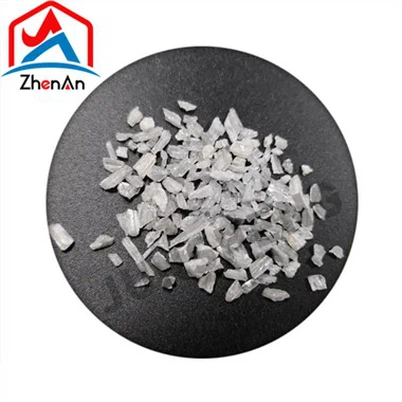

How to store silicon metal properly?
Leave a message
Silicon Metal Safety: Hazards and Proper Storage Practices
Silicon metal is widely used in aluminum alloys, chemical production, silicones, and metallurgical applications. While it is generally stable under normal conditions, improper handling or storage can pose safety risks. For industrial buyers and technical teams, understanding hazard classification, storage requirements, and handling best practices is essential to ensure workplace safety and maintain material quality.
This article explains whether silicon metal is hazardous and provides guidance on proper storage, helping procurement, operations, and safety personnel manage silicon metal safely.
ZhenAn provides high-quality silicon metal with safe handling instructions and professional support for global industrial customers.
For technical specifications or quotations, contact info@zaferroalloy.com.
Is Silicon Metal Hazardous?
General Safety Profile
Silicon metal is chemically stable and non-toxic under normal conditions. It is not classified as a highly hazardous material.
However, certain hazards should be noted:
| Hazard | Description |
|---|---|
| Dust Explosion | Fine silicon powder (<0.5 mm) can ignite under high heat or in the presence of sparks in confined air spaces. |
| Skin/Eye Irritation | Contact with dust may cause irritation to eyes, skin, or respiratory tract. |
| Fire Risk | Silicon metal can burn at very high temperatures (above 1000°C), especially powder. |
| Inhalation Risk | Dust inhalation should be minimized with protective equipment. |
Safety Measures
Avoid creating dust clouds near heat sources
Use personal protective equipment (PPE): masks, gloves, goggles
Keep material away from open flames or sparks
Maintain good ventilation in storage and handling areas
In short, lumps and granules are low-risk, while powder requires careful handling due to potential dust explosion hazards.
How to Store Silicon Metal Properly
Proper storage ensures safety, quality, and longevity of silicon metal.
Storage Guidelines
| Aspect | Recommendation |
|---|---|
| Environment | Store in dry, well-ventilated areas |
| Temperature | Avoid extreme heat or direct sunlight; ambient storage is sufficient |
| Humidity | Keep low humidity to prevent surface oxidation, especially for powder |
| Separation | Store lumps, granules, and powder separately to minimize dust generation |
| Containers | Use sealed bags or drums; palletized jumbo bags are ideal for lumps and granules |
| Fire Safety | Keep away from combustible materials and sparks; install fire extinguishers nearby |
| Handling | Use mechanical handling equipment for bulk shipments; avoid dropping lumps to reduce dust |
Special Considerations for Powder
Store in airtight containers with desiccant if long-term storage is required
Ensure spark-free tools and grounding to prevent static discharge
Label clearly with grade, batch number, and hazard notice
ZhenAn Silicon Metal Safety and Storage Support
ZhenAn provides:
Safe handling guidelines for all grades (553, 441, 3303, high-purity)
Guidance on lumps, granules, and powder storage
Export-grade packaging to maintain quality during transit
Technical consultation on warehouse layout, ventilation, and fire safety
Our solutions are trusted by aluminum foundries, chemical plants, and specialty metallurgical industries worldwide.
Frequently Asked Questions (FAQ)
Is silicon metal toxic?
No. Silicon metal is generally non-toxic and chemically stable, but dust can cause minor skin, eye, or respiratory irritation.
Can silicon metal powder explode?
Yes. Fine silicon powder in air can form explosive dust clouds, especially in confined spaces near sparks or heat.
How should silicon metal lumps be stored?
In dry, ventilated areas, away from heat and moisture, preferably in sealed bags or palletized containers.
How to store silicon metal powder safely?
Use airtight, moisture-proof containers, minimize dust, ensure grounding, and keep away from sparks or flames.
Does storage affect silicon metal quality?
Yes. High humidity or improper storage can increase surface oxidation, especially for powder and small granules, affecting reactivity and purity.