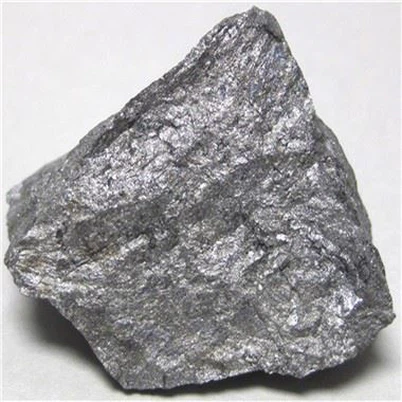
High Carbon Silicon: Features, Specs and Steelmaking Use
Leave a message
Features of High Carbon Silicon
High carbon silicon is a ferroalloy material that combines silicon and carbon in one addition. It is typically produced from the by-products of ferrosilicon smelting or as a silicon-carbide-based composite, with typical compositions of Si about 45-60% and C about 15-25% depending on grade. In steelmaking it serves as a combined deoxidizer and recarburizer, offering a cost-effective alternative to dosing ferrosilicon and carbon raiser separately.
1. Main Features
Combined deoxidation and carbon addition: silicon removes dissolved oxygen from the melt while carbon raises the carbon content, reducing the number of separate additions.
Cost reduction: using a by-product-based alloy lowers raw material cost per ton of steel compared with separate ferrosilicon and recarburizer additions.
Resource reuse: the material valorizes smelting by-products, supporting circular use of silicon-bearing residues.
Flexible forms: available as lumps, briquettes, powder or granules to suit feeding systems and ladle/converter practice.
Stable recovery: with controlled sizing and correct addition practice, silicon and carbon recovery is stable and reproducible.
Clean addition: properly specified high carbon silicon introduces no harmful impurities; avoid grades with excessive slag or fines.
Reduced alloy usage: because one product delivers two functions, total alloy consumption and handling cost decrease.
Steel quality: stable deoxidation supports cleaner steel and more consistent mechanical properties.
2. Typical Specification (Example)
| Parameter | Typical value |
|---|---|
| Si | 45-60% (grade-dependent) |
| C | 15-25% (grade-dependent) |
| Fe | Balance |
| P, max | ≤0.05% |
| S, max | ≤0.05% |
| Forms | Lump 10-50 mm / briquette / powder / granule |
Note: exact composition depends on the grade and supplier; confirm the Si/C ratio and impurity limits for the specific steel grade to be produced.
3. Application Notes
Use in converter or EAF steelmaking during tapping/alloying; add after deoxidation control is established.
Choose particle size according to feeding equipment; fines may be lost to slag or fume.
In cast iron, high carbon silicon can support inoculation and carbon adjustment in one step.
Confirm with the supplier the typical Si and C recovery rates under the mill's addition practice.
4. Summary
High carbon silicon is an economical, resource-efficient alloying material for steelmakers. Its value lies in combining silicon deoxidation with carbon addition, stable performance and flexible product forms, while reducing overall alloy cost and improving steel cleanliness when specified and used correctly.
Frequently Asked Questions
What is high carbon silicon and how is it produced? High carbon silicon is a ferroalloy material that combines silicon and carbon in a single addition. It is typically produced from the by-products of ferrosilicon smelting or as a silicon-carbide-based composite, with typical compositions of about 45-60% silicon and 15-25% carbon depending on the grade.
What are the main features of high carbon silicon? It combines deoxidation and carbon addition in one product, reduces alloy cost because it is by-product based, reuses silicon-bearing smelting residues, is available in flexible forms (lumps, briquettes, powder, granules), gives stable and reproducible silicon and carbon recovery, introduces no harmful impurities when properly specified, lowers total alloy consumption and handling cost, and supports cleaner steel with more consistent mechanical properties.
What is a typical specification for high carbon silicon? typical example is silicon 45-60% and carbon 15-25%, both grade-dependent, with iron as the balance, phosphorus and sulfur each at 0.05% maximum, supplied as 10-50 mm lump, briquette, powder or granule. The exact composition depends on the grade and supplier, so the Si/C ratio and impurity limits should be confirmed for the specific steel grade to be produced.
How should high carbon silicon be added in steelmaking? It is used in converter or EAF steelmaking during tapping and alloying, after deoxidation control is established. The particle size should be matched to the feeding equipment, because fines can be lost to slag or fume instead of entering the melt.
Can high carbon silicon also be used in cast iron production? Yes. In cast iron, high carbon silicon can support inoculation and carbon adjustment in one step, delivering both functions during the same addition.
Why do stable recovery and clean addition matter for this alloy? With controlled sizing and correct addition practice, silicon and carbon recovery is stable and reproducible, which keeps composition control predictable. Clean addition means a properly specified material introduces no harmful impurities, so grades with excessive slag or fines should be avoided. Buyers should confirm the typical silicon and carbon recovery rates with the supplier under their own addition practice.