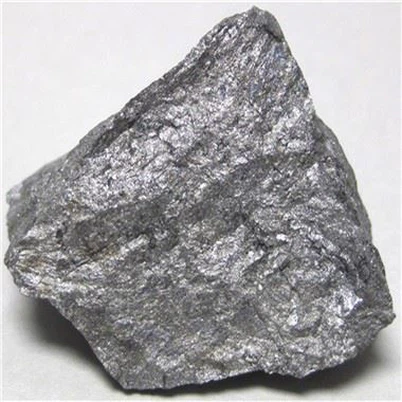

China Metal Magnesium Price: Market Snapshot, Grades And Price Drivers
Leave a message

China Metal Magnesium Price: Market Snapshot, Grades and Price Drivers
1. China Magnesium Metal Market Overview
China is the world's largest producer and exporter of magnesium metal, accounting for a significant share of global magnesium supply. Chinese magnesium ingots are widely used in:
Aluminum alloy production
Automotive die casting
Titanium sponge manufacturing
Steel desulfurization
Magnesium alloy applications
The majority of Chinese magnesium production uses the Pidgeon process, which reduces dolomite with ferrosilicon under high-temperature vacuum conditions.
2. Historical Magnesium Price Snapshot
The following price data is provided as a historical market reference only.
| Product | Specification | Export Quotation | Basis |
|---|---|---|---|
| Magnesium Metal | Mg99.9% | USD 3,130–3,170/ton | FOB China, December 16, 2022 |
Note:
Magnesium prices fluctuate according to:
Raw material costs
Energy prices
Production capacity
Export conditions
Downstream demand
The above figures should not be used as current procurement prices. Buyers should request updated quotations based on the latest market conditions.
3. Magnesium Metal Grades and Purity
According to GB/T 3499, industrial magnesium ingots are commonly classified by purity level.
| Grade | Magnesium Content |
|---|---|
| Mg9990 | ≥99.90% Mg |
| Mg9995 | ≥99.95% Mg |
| Mg9998 | ≥99.98% Mg |
| Mg9999 | ≥99.99% Mg |
Higher-purity magnesium is generally selected for applications requiring:
Lower impurity levels
Better alloy performance
Higher corrosion resistance
More consistent processing performance
4. Magnesium Metal Export Price Reference
| Product | Specification | Historical Export Price (USD/ton) |
|---|---|---|
| Magnesium Metal | Mg99.9% | 3,130–3,170 |
Price Basis: FOB China
When comparing magnesium quotations, buyers should confirm whether the price is based on:
USD/ton magnesium ingot
Magnesium content basis
FOB, CIF or EXW terms
Different quotation methods may lead to significant differences.
5. Main Factors Affecting Magnesium Prices
5.1 Production Cost and Supply Factors
Chinese magnesium production mainly relies on the Pidgeon process.
Major cost components include:
Ferrosilicon
Dolomite
Coal
Electricity
Labor and environmental compliance costs
Because magnesium production is energy-intensive, energy prices have a strong influence on market costs.
5.2 Downstream Demand
Major magnesium consumption sectors include:
Aluminum Alloy Industry
Magnesium is used as an alloying element to improve:
Strength
Corrosion resistance
Casting performance
Automotive Die Casting
Magnesium alloys are valued for:
Lightweight properties
High strength-to-weight ratio
Weight reduction in vehicle components
Applications include:
Automotive housings
Structural components
Electronic equipment parts
Titanium Production
Magnesium is used as a reducing agent in the Kroll process for titanium sponge production.
Steel Desulfurization
Magnesium powder or granules are injected into molten steel to remove sulfur and improve steel cleanliness.
6. Policy and Market Factors
6.1 Environmental Policies
Magnesium production requires strict environmental management due to:
Energy consumption
Emission control requirements
Furnace operation standards
Environmental inspections and capacity adjustments may influence supply.
6.2 Export Conditions
International magnesium prices may be affected by:
Export policies
Freight costs
Currency exchange rates
Regional inventory levels
6.3 Global Metal Market Trends
Magnesium prices are also influenced by:
Aluminum market trends
Automotive industry demand
Global economic conditions
Energy market fluctuations
7. Magnesium Metal Purchasing Guide
When requesting a magnesium quotation, buyers should clearly specify:
Product Information
Include:
Magnesium grade (Mg9990, Mg9995, Mg9998, Mg9999)
Ingot size requirement
Chemical composition requirements
Required quantity
Commercial Terms
Confirm:
Price basis (FOB / CIF / EXW)
Loading port
Delivery time
Packaging method
Quality Documents
Professional suppliers should provide:
Certificate of Analysis (COA)
Chemical composition report
Packing list
Shipping documents
8. Magnesium Metal vs Other Alloying Materials
| Material | Main Advantage | Typical Applications |
|---|---|---|
| Magnesium Metal | Lightweight, strong alloying effect | Aluminum alloys, die casting |
| Aluminum | Good corrosion resistance and processing | General structural alloys |
| Ferrosilicon | Silicon addition and deoxidation | Steelmaking |
| Ferrotitanium | Grain refinement and stabilization | Special steels |
FAQ About China Magnesium Metal Prices
1. Why does China dominate magnesium production?
China has abundant raw materials, established Pidgeon process technology and large-scale production capacity, making it the world's leading magnesium producer.
2. What is the common export grade of magnesium metal?
Mg99.9% is one of the most commonly traded industrial magnesium grades for international markets.
3. What factors cause magnesium prices to rise?
Main factors include:
Higher energy costs
Reduced production capacity
Increased automotive and alloy demand
Supply disruptions
4. What is the difference between Mg9990 and Mg9999?
The difference is purity level. Mg9999 contains lower impurity levels and is typically used for applications requiring higher material consistency.
5. How should buyers compare magnesium suppliers?
Buyers should compare:
Magnesium purity
Impurity limits
Ingot size
Packaging
Delivery terms
Latest quotation date

Contact Us
For China magnesium metal ingots, Mg99.9%–Mg99.99% grades, customized specifications and export quotations, please contact our team:
WhatsApp: +86 15518824805
Email: info@zaferroalloy.com