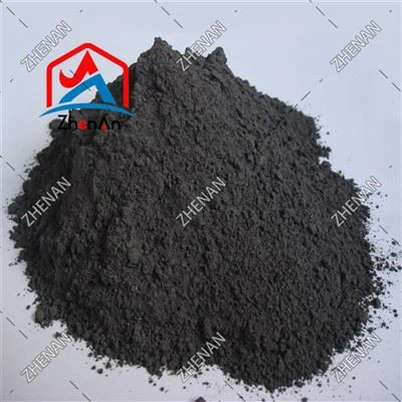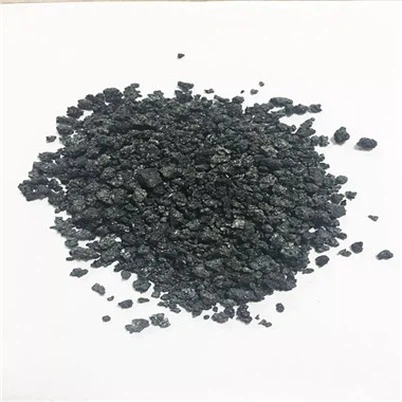

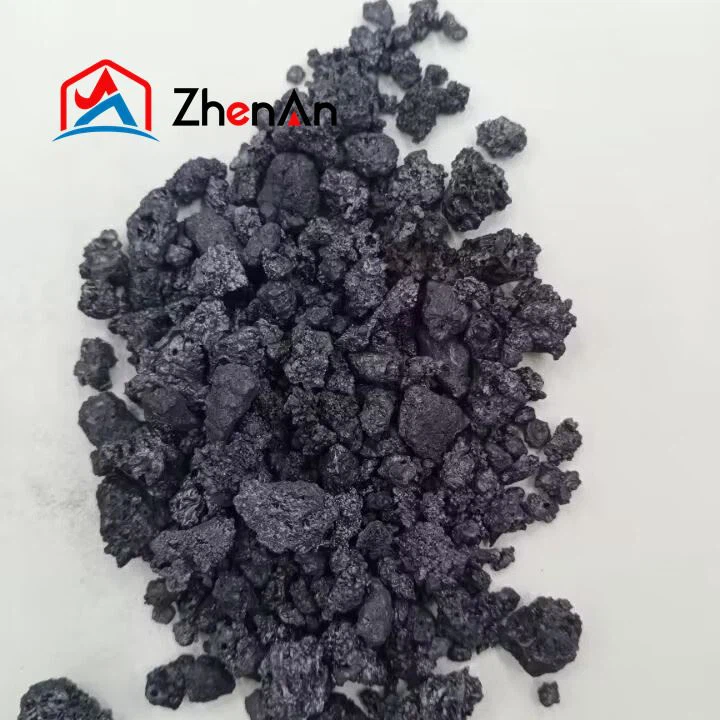
Calcined Petroleum Coke Foundry Coke
The raw material of Calcined petroleum coke is raw coke. Because of the high content of impurities in raw coke, it will contain a lot of impurities in liquid steel directly. Petroleum coke by 1200-1400℃ high-temperature calcination removes most of the water and volatile impurities.
Description
Description
Petroleum coke is a black or dark gray hard solid petroleum product, with a metallic luster, porous, is made of tiny graphite crystallized into a granular, columnar or needle form of carbon body. Petroleum coke is a hydrocarbon, containing 90-97% carbon, hydrogen 1.5-8%, also contains nitrogen, chlorine, sulfur and other elements.
Petroleum coke is the carbonization product of heavy residue produced by crude oil processing (atmospheric and vacuum distillation, catalytic cracking, etc.). The main production processes include delayed coking and fluidized coking.
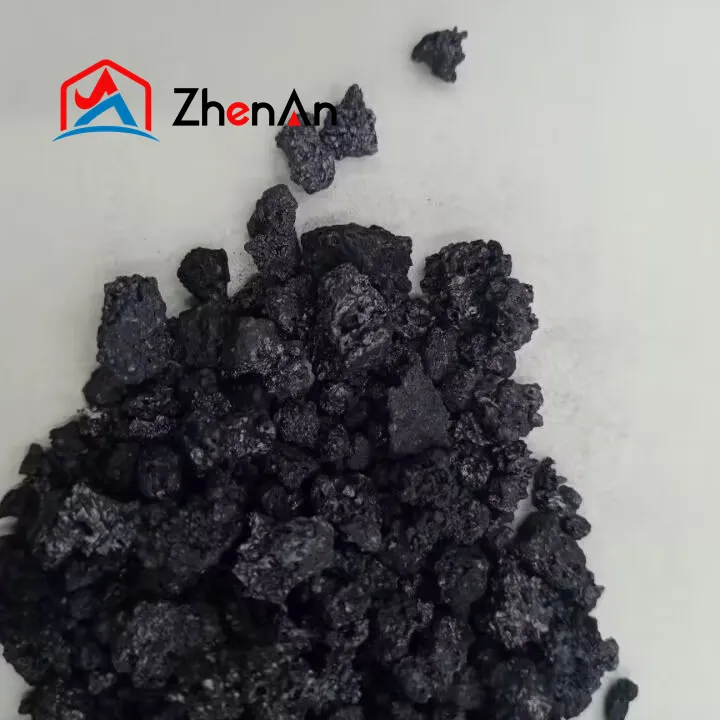
CPC is produced by heating green petroleum coke (GPC) to high temperatures, typically between 1200°C and 1400°C, in a rotary kiln or hearth furnace. The calcination process removes volatile matter and moisture from GPC, resulting in a higher carbon content and improved physical and chemical properties.
Specfication
|
Fixed Carbon (min)(%) |
Sulfur (max)(%) |
Ash (max)(%) |
Volatile Matter (max)(%) |
Moisture (max)(%) |
Phosphorus (max)(%) |
|
90 |
0.5 |
8 |
1.5 |
7 |
0.03 |
|
88 |
0.5 |
10 |
1.5 |
8 |
0.03 |
Size: 0.5-5mm, 1-10mm, 3-8mm, 3-20mm, as customer's requirement
Application: As a carbon additive/recarburant in steelmaking, iron casting industry; Main material to produce graphite electrode, carbon products,
silicon products; Used for alloy industry and fuel
Delivery time: Within 15 days receiving deposit
CPC is packed in bags or sacks, typically ranging from 25 kg to 50 kg.
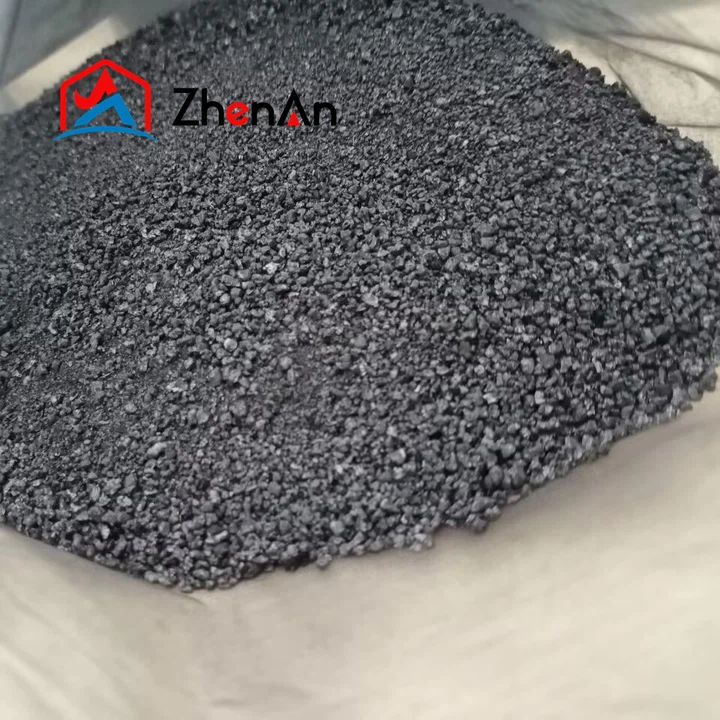
CPC is primarily used as a carbon additive in steel production and other applications where a high carbon content is required. It offers the following advantages:
- Carbon Content: CPC has a high carbon content, typically above 97%, making it a suitable carbon additive to adjust the carbon content of steel and other materials.
- Low Volatile Matter: The calcination process reduces the volatile matter content in CPC, resulting in low emissions during combustion and improved stability in high-temperature applications.
- Low Sulfur Content: CPC typically has low sulfur content, which is important in applications where low sulfur levels are required to maintain product quality and minimize emissions.

FAQ
Q1: Are you trading company or manufacturer?
Hot Tags: calcined petroleum coke foundry coke
Send Inquiry
You Might Also Like