
What Are The Classifications Of High Purity Tin Ingots?
Leave a message
What are the classifications of high purity tin ingots?
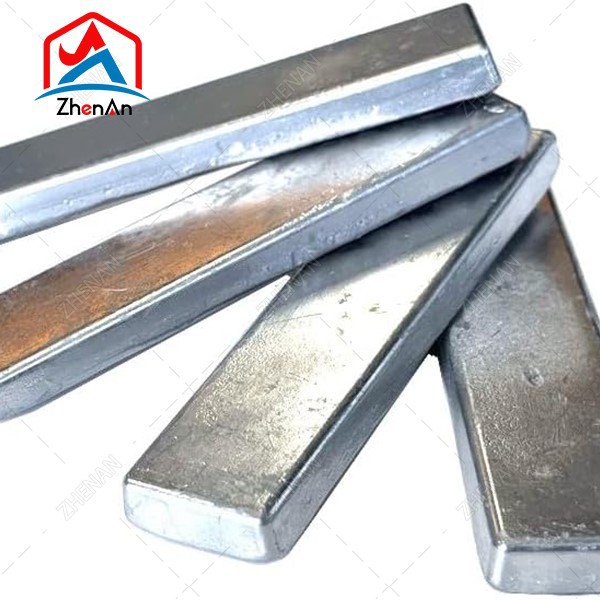
High-purity tin ingots can be divided into different classifications according to production technology and chemical composition. Generally speaking, high-purity tin ingots can be divided into electrolytic tin and thermal tin according to the production process; according to the chemical composition, they are divided into lead-free tin, bismuth-free tin and low-lead tin. according to chemical composition, they can be divided into lead-free tin, bismuth-free tin and low-lead tin, etc.
First, according to production process, high-purity tin ingots can be divided into electrolytic tin and thermal tin. Electrolytic tin refers to the tin metal with higher purity extracted from tin ore or tin slag by electrolysis. Its production process mainly includes leaching, electrolysis and refining. The production process of electrolytic tin is relatively complicated, but tin metal with higher purity can be obtained. Thermal tin refers to the tin metal extracted from natural tin ore or recycled tin material by thermal process. Its production process mainly includes smelting, lead smelting, silver smelting, refining and other steps. The production process of thermal tin is relatively simple, but the purity is generally low.
Secondly, according to chemical composition, high-purity tin ingots can be divided into lead-free tin, bismuth-free tin and low-lead tin, etc. Lead-free tin refers to tin metal with extremely low lead content, generally requiring the lead content to be less than 10ppm, and is usually used in high-end application fields such as food packaging, beverage cans, and medical devices. Bismuth-free tin refers to tin metal with extremely low bismuth content, generally requiring the bismuth content to be less than 10ppm, and is usually used in high-tech fields such as electronic components, photovoltaic materials, and semiconductor materials. Low-lead tin refers to tin metal with a low lead content, generally requiring the lead content to be less than 100ppm, and is usually used in welding materials, chemical materials, metal processing and other fields.
In general, the classification of high-purity tin ingots mainly depends on the production process and chemical composition. Different classifications are suitable for different application fields, and their chemical composition and performance indicators need to be strictly controlled in actual production and use to ensure product quality and safe use.