

The Definition And Composition Of Titanium Steel Composite Panel
Leave a message
The Definition and Composition of Titanium Steel Composite Panel
ZhenAn Titanium Steel Composite Panel Manufacturer
When it comes to materials that combine strength, durability, versatility, and affordability, few can match the Titanium Steel Composite Panel. This revolutionary material is known for its exceptional mechanical properties, corrosion resistance, and aesthetic appeal. It is composed of a titanium layer bonded to a steel substrate, creating a robust and lightweight material that is suitable for various applications.
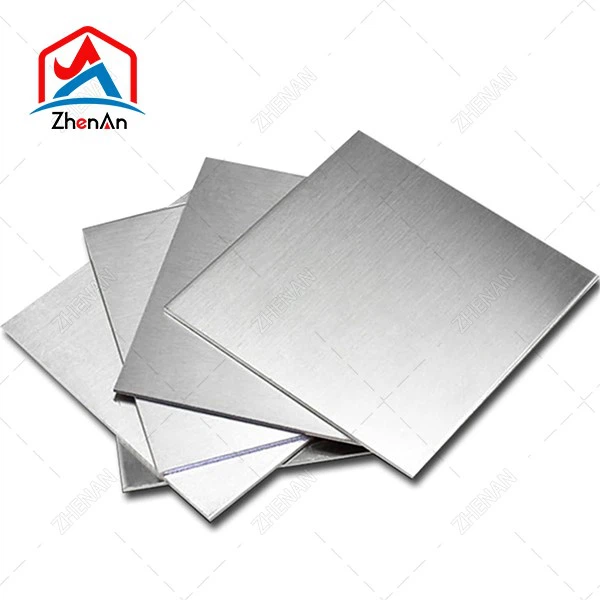
Defining the Titanium Steel Composite Panel
The Titanium Steel Composite Panel is a type of composite material that consists of a thin layer of titanium bonded to a steel base. This unique combination of materials results in a panel that possesses the strength and rigidity of steel, along with the corrosion resistance and lightweight properties of titanium. The bonding process ensures a strong and durable connection between the two layers, allowing the composite panel to withstand high loads and harsh environmental conditions.
Understanding the Composition of Titanium Steel Composite Panel
A Titanium Steel Composite Panel typically consists of a titanium layer, a bonding agent, and a steel substrate. The titanium layer, which is usually thin and ranges from a few micrometers to a few millimeters in thickness, is commonly made from commercially pure titanium or titanium alloys. These materials offer excellent corrosion resistance and mechanical strength, making them ideal for the composite panel. To ensure a secure and durable bond, a bonding agent, such as an adhesive or a brazing material, is applied between the titanium and steel layers. The steel substrate provides structural support and contributes to the overall strength and rigidity of the composite panel.
The Properties and Advantages of Titanium Steel Composite Panel
The Titanium Steel Composite Panel offers a range of properties and advantages that make it highly desirable in various industries. By combining the strength and toughness of steel with the corrosion resistance and lightweight nature of titanium, this material allows for the construction of lightweight structures without compromising on durability. Additionally, the composite panel exhibits excellent resistance to impact, heat, and chemical corrosion, making it suitable for use in harsh environments. Its enhanced design flexibility allows for easy shaping, forming, and welding. Overall, the Titanium Steel Composite Panel is a versatile and high-performance material that offers numerous benefits across a wide range of industries.
Unleashing the Power of Titanium Steel Composite Panel: Exploring its Diverse Applications
When it comes to innovative materials that offer exceptional properties and unparalleled versatility, Titanium Steel Composite Panel takes the spotlight. This groundbreaking material finds extensive applications across various industries, revolutionizing the way we build, transport, and explore. In this article, we dive deep into the diverse applications of Titanium Steel Composite Panel, uncovering its potential in architecture, transportation, aerospace, marine, and other industrial sectors.
Transforming Architecture and Construction
The architecture and construction industry has experienced a paradigm shift with the introduction of Titanium Steel Composite Panel. This material's remarkable high strength-to-weight ratio, corrosion resistance, and durability make it an ideal choice for a wide range of applications. From awe-inspiring building facades and robust roofing systems to elegant interior cladding and captivating decorative elements, Titanium Steel Composite Panel offers both beauty and resilience. Its ability to withstand harsh environmental conditions ensures long-lasting structures that continue to captivate the eye for years to come.
Driving Innovation in Transportation and Automotive Industry
The transportation and automotive sector is constantly in pursuit of lightweight materials that can enhance fuel efficiency and performance. Titanium Steel Composite Panel emerges as a game-changer in this quest. With its low density and high strength properties, this material contributes to significant weight reduction, resulting in improved fuel efficiency and enhanced performance. The automotive industry utilizes Titanium Steel Composite Panel in the manufacturing of body parts, while the aerospace industry relies on it for aircraft components, railway carriage panels, and even satellite applications. From land to air, Titanium Steel Composite Panel is revolutionizing the way we move.
Empowering the Aerospace and Aviation Industry
The aerospace and aviation industry demands materials that can withstand extreme temperatures and offer exceptional mechanical properties. Titanium Steel Composite Panel rises to the occasion, becoming a cornerstone of innovation in this sector. It finds extensive use in aircraft structures, engine components, and satellite panels, thanks to its ability to withstand high-stress environments. Not only does it enhance the fuel efficiency of aircraft, but its lightweight nature also contributes to overall performance, making it an indispensable material for the aerospace and aviation industry.
Conquering the Seas with the Marine and Offshore Industry
When it comes to the marine and offshore industry, corrosion resistance and strength are of utmost importance. Titanium Steel Composite Panel plays a vital role in this sector, ensuring the longevity and safety of marine structures. Shipbuilding, offshore platforms, and underwater structures all benefit from this material's ability to withstand harsh marine environments, including saltwater corrosion and high impact forces. As the marine industry continues to push boundaries and explore new horizons, Titanium Steel Composite Panel stands as a reliable companion, offering strength and resilience in the face of adversity.
Unleashing Potential in Various Industrial Sectors
While the applications mentioned above highlight the key industries that benefit from Titanium Steel Composite Panel, its versatility extends to various other sectors. This material's unique properties make it suitable for manufacturing chemical storage tanks, industrial machinery, medical equipment, and even sporting goods. Its exceptional resistance to corrosion, high temperatures, and mechanical stress make it an ideal choice for demanding industrial environments, where reliability and performance are paramount.
As we continue to explore the potential of Titanium Steel Composite Panel, its impact on various industries becomes increasingly evident. From shaping the skyline with architectural marvels to propelling us to new heights in the aerospace industry, this material is transforming the way we live, work, and play. With its exceptional properties and unrivaled versatility, Titanium Steel Composite Panel is truly a force to be reckoned with, revolutionizing the world one application at a time.

III. The Intricate Manufacturing Process of Titanium Steel Composite Panels
When it comes to producing high-quality titanium steel composite panels with the desired characteristics, a meticulous manufacturing process must be followed. In this section, we will delve into the key stages involved in creating these panels, including the preparation of titanium and steel sheets, the intricate bonding process, the implementation of rigorous quality control and testing procedures, as well as the finishing and surface treatment options that enhance their performance and appearance.
A. Preparation of Titanium and Steel Sheets: A Prerequisite for Success
Prior to the bonding process, the titanium and steel sheets undergo an extensive preparation phase to ensure optimal results. This step involves meticulously cleaning the surfaces of the sheets, removing any impurities or contaminants that could hinder the bonding process. Additionally, the sheets are cut to precise dimensions, guaranteeing a perfect fit for the panel. In some cases, surface treatments such as sandblasting or etching are applied to enhance the adhesion properties of the sheets, further strengthening the bond.
B. The Bonding Process: Where Strength Meets Precision
Undoubtedly, the bonding process is the heart and soul of manufacturing titanium steel composite panels. To achieve a strong and durable bond, advanced techniques like diffusion bonding or explosive welding are employed. These methods ensure that the titanium and steel sheets are seamlessly joined together, creating a cohesive composite panel. Meticulous alignment and controlled conditions of temperature and pressure are crucial during this process, guaranteeing the integrity and longevity of the bond.
C. Uncompromising Quality Control and Testing Procedures
At every step of the manufacturing process, rigorous quality control measures are implemented to ensure the production of high-quality titanium steel composite panels. Various tests and inspections are conducted to assess the integrity, strength, and overall performance of the panels. Visual inspections, ultrasonic testing, and tensile strength tests are common procedures employed to verify the panels' compliance with specified standards. Any panels that fail to meet these rigorous standards are either rejected or undergo further modifications to rectify any issues.
D. Finishing and Surface Treatment Options: Elevating Performance and Aesthetics
Once the bonding process and quality control procedures are successfully completed, the titanium steel composite panels enter the realm of finishing and surface treatment options. This crucial step aims to enhance not only the appearance but also the corrosion resistance and durability of the panels. Depending on the desired aesthetic and functional requirements, finishing options such as polishing, painting, or anodizing may be employed. Moreover, surface treatments such as coating or passivation can be applied to provide additional protection against environmental factors, effectively extending the panels' lifespan.

Comparison with Other Composite Panels
When it comes to choosing the right composite panel for various applications, it's crucial to compare their characteristics and performance. In this article, we will delve into the comparisons between aluminum composite panels (ACP), stainless steel composite panels (SSCP), and carbon fiber composite panels (CFCP).
Comparison with Aluminum Composite Panel (ACP)
Aluminum composite panels (ACP) have gained popularity in the construction industry due to their lightweight nature and durability. However, when compared to composite panels made from other materials, ACPs may have some limitations. While ACPs offer good weather resistance and a wide range of color options, they may not possess the same level of strength and rigidity as other composite panels. This means that in applications where enhanced strength is required, ACPs may not be the most suitable choice. Additionally, ACPs may be more susceptible to denting or scratching, which can affect their overall appearance and longevity.
Comparison with Stainless Steel Composite Panel (SSCP)
Stainless steel composite panels (SSCP) are renowned for their exceptional strength, corrosion resistance, and aesthetic appeal. Compared to other composite panels, SSCP offers superior durability and can withstand even the harshest environmental conditions. The use of stainless steel in composite panels provides excellent fire resistance and structural integrity, making them ideal for applications where safety is a top priority. However, it's worth noting that SSCP may be heavier and more expensive than other composite panels. This means that they are better suited for specific applications that require enhanced strength and resistance to corrosion, rather than for projects where weight and cost are the primary concerns.
Comparison with Carbon Fiber Composite Panel (CFCP)
Carbon fiber composite panels (CFCP) are renowned for their exceptional strength-to-weight ratio and high-performance characteristics. CFCP offers excellent tensile strength, stiffness, and fatigue resistance, making them ideal for applications that demand lightweight yet strong materials. Compared to other composite panels, CFCP provides superior performance in terms of impact resistance and thermal conductivity. However, it's important to note that carbon fiber composite panels can be more expensive and may require specialized manufacturing processes. This can limit their widespread use in certain industries where cost and ease of production are key considerations.

V. What to Consider When Choosing a Titanium Steel Composite Panel
When it comes to selecting the perfect titanium steel composite panel for your project, there are several key factors that you should take into consideration. These considerations will not only help you make an informed decision but also ensure that the panel aligns with your specific requirements and preferences.
A. Cost and budget considerations
One of the primary factors that you need to think about when choosing a titanium steel composite panel is the cost and budget. These panels can vary in price depending on factors such as quality, thickness, and size. It's crucial to carefully evaluate your budget and determine the maximum amount you're willing to spend. Additionally, it's important to consider the long-term cost implications, including maintenance and repair expenses, to ensure that the panel fits within your financial capabilities.
B. Durability and lifespan
When it comes to projects that require long-term performance, the durability and lifespan of the titanium steel composite panel are of utmost importance. Titanium steel is renowned for its exceptional strength and resistance to corrosion, making it an excellent choice for various applications. To ensure that the panel can withstand the intended use and environmental factors, it's essential to assess its specifications, including its resistance to impact, weather conditions, and wear and tear.
C. Aesthetic and design options
Another crucial consideration is the aesthetic and design options offered by the titanium steel composite panel. These panels come in a wide range of colors, finishes, and textures, providing you with the opportunity to achieve your desired visual appeal for your project. It's important to take into account the architectural style, surrounding environment, and overall design concept in order to select a panel that enhances the aesthetic appeal and seamlessly integrates with the overall design scheme.
D. Maintenance requirements
Understanding the maintenance requirements of the titanium steel composite panel is essential for its long-term upkeep. Some panels may require regular cleaning, while others may have specific maintenance procedures. It's crucial to consider the level of maintenance effort and resources that you're willing to allocate to ensure that the panel remains in optimal condition throughout its lifespan. Additionally, it's recommended to inquire about any warranties or guarantees provided by the manufacturer to protect your investment.
E. Environmental sustainability factors
In today's construction and design landscape, considering the environmental sustainability factors of the titanium steel composite panel is of utmost importance. Look for panels that are manufactured using eco-friendly processes and materials. Evaluate their energy efficiency, recyclability, and potential for reducing carbon footprint. By choosing an environmentally sustainable panel, you not only contribute to the well-being of the planet but also align with the growing demand for green building practices.


