

How To Choose Molybdenum Electrode Size?
Leave a message
The main component of molybdenum electrode is molybdenum, which is prepared by powder metallurgy method. The molybdenum electrode used internationally contains 99.95% of the ingredients and has a density greater than 10.15g/cm3, which ensures the quality of the glass and the service life of the electrode. Commonly used molybdenum electrodes range in size from 20mm to 152.4mm in diameter, and the length of a single electrode can reach 1500mm. The current molybdenum electrode can replace the original heavy oil and gas energy, effectively reduce environmental pollution and improve the quality of glass.

Molybdenum electrodes are softer than tungsten and have an unparalleled elastic modulus. Molybdenum electrodes have excellent properties such as high melting point, good processability, corrosion resistance, low expansion, ultra-high strength and stiffness, excellent thermal conductivity, good ductility, and low emissivity, resistivity, and vapor pressure.

According to the advantages of molybdenum electrodes, it can be used in different fields. Molybdenum welding rod has the characteristics of high hardness, high melting point and excellent high temperature performance. It is suitable for welding non-ferrous metals such as copper, aluminum, nickel, etc.
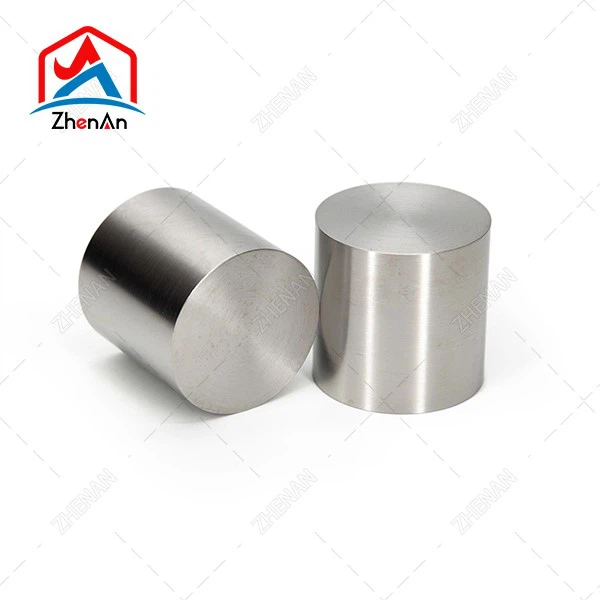
Generally, the diameter of molybdenum electrodes is between 35 and 75mm, and the size of molybdenum electrodes is determined by the current density. When smelting borosilicate glass, an electrode with a diameter of about 50mm is usually selected.
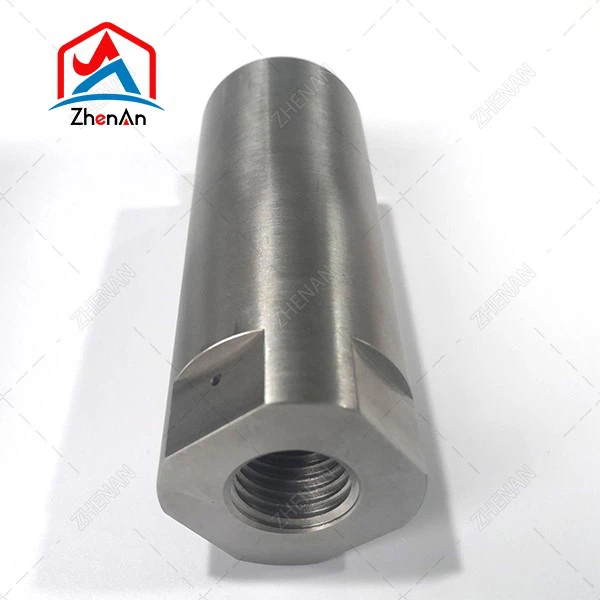
The promotion of the electrode in operation depends on the actual current density. For vertical electrodes, electrode continuity should be considered when the density reaches 0.8A/cm2.
As electrode consumption increases, the current density of electric furnaces with longer furnace ages (more than 4 years) increases. If the electrode is not ready to continue, the current density needs to be controlled at a lower value. When the current density of the molybdenum electrode is lower than 0.6A/cm2, the electrode is almost not consumed.
