

Frequently Asked Questions About Titanium Composite Metal Plates
Leave a message
ZhenAn Titanium Alloy Plate Manufacturer
Frequently asked questions about Titanium Clad Steel Plate
1. How thick is the average Titanium Steel Clad Plate?
Titanium Composite Steel Plate are typically 3 mm to 6 mm thick. However, specific projects may require panels with thicknesses outside of this range.

2. What are the factors that affect the thickness of Titanium Steel Composite Panel?
The thickness of Titanium Alloy Steel Plate is influenced by factors such as the intended use of the panels, the structural requirements of the project, as well as aesthetic preferences and design considerations.

3. What is the recommended thickness for exterior wall cladding applications?
For external cladding applications, the recommended thickness of v is typically in the range of 3 mm to 6 mm. In areas prone to harsh weather conditions or with high impact potential, thicker Titanium Alloy Plate may be preferred.
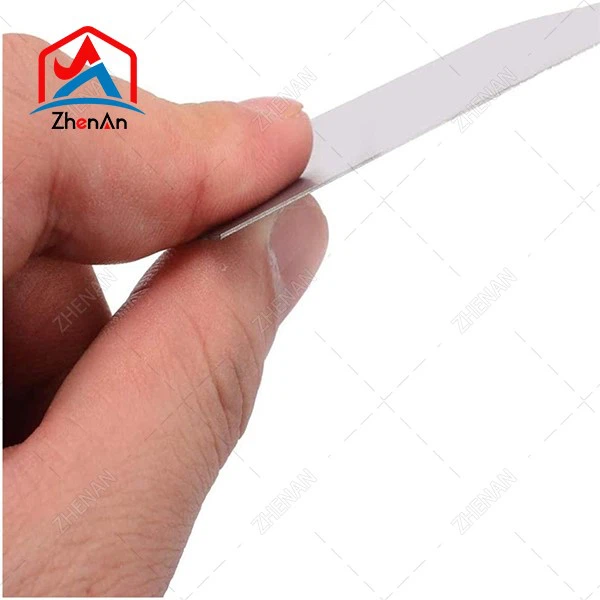
4. What is the appropriate thickness for indoor applications?
For interior wall paneling, a suitable thickness for Ti 6Al 4V Plate is usually 2 mm to 4 mm. Thinner panels can be used for decorative purposes or in areas where space is limited, while thicker panels may be more suitable for areas that require extra strength or sound insulation.
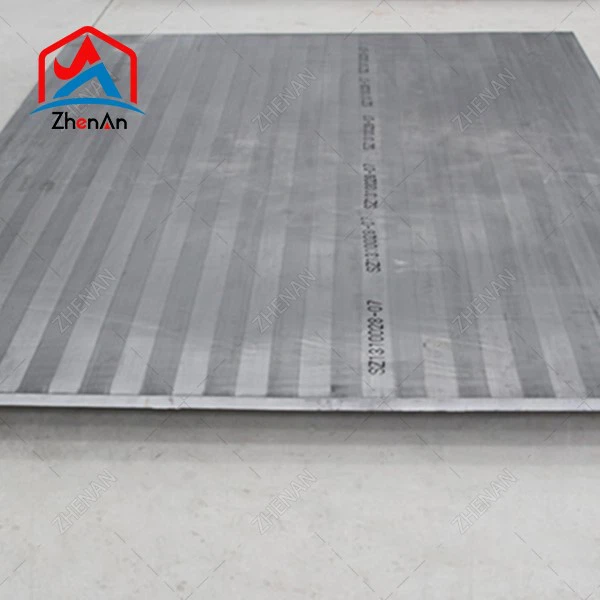
5. What are the advantages of thickened Titanium Alloy Sheet?
Thicker 6Al 4V Titanium Plate offer enhanced durability, high impact resistance, structural integrity, improved sound isolation, better thermal performance, and deeper contours and customization options.
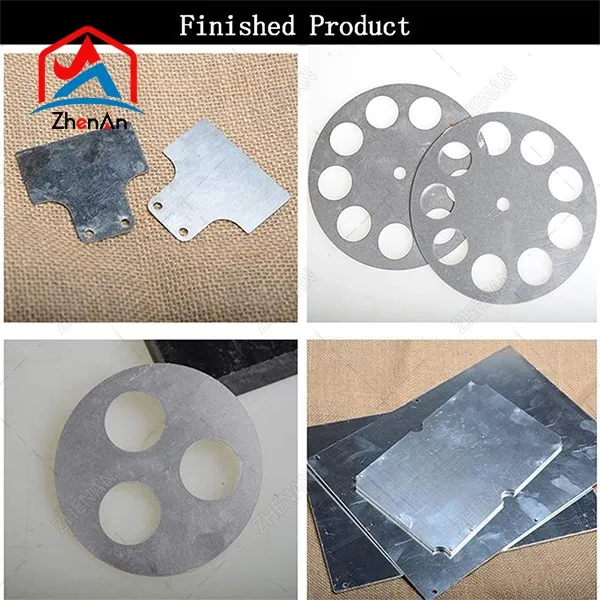
6. What are the benefits of thinner Titanium Clad Plates?
Thinner panels are lightweight, cost-effective, easier to handle and transport, suitable for indoor applications, offer a variety of design options, and can be used on curved surfaces.
7. How to choose the appropriate Titanium Plate Sheet thickness?
When selecting the thickness of composite metal panels, it is important to consider the project's structural requirements, aesthetic preferences, and desired visual effects. Finding a balance between load-carrying needs and design preferences is key.
