
Why Electrolytic Manganese Metal Flakes Suit Steel Production
Leave a message
What EMM Flakes Are
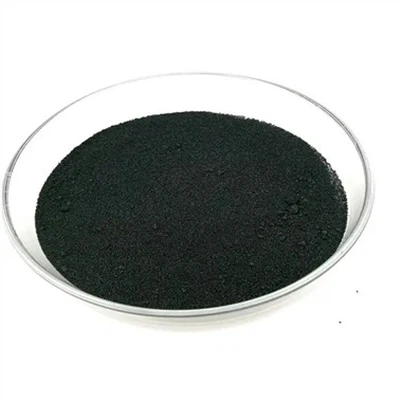
Electrolytic manganese metal is produced by electrolysis and typically contains about 99.7% manganese. The deposit is processed into thin flakes, which are supplied by thickness and flake size, so the material can be dosed and handled consistently.
This is a refined product, distinct from ferromanganese, and it is chosen when the specification cannot tolerate the carbon and residuals that come with the alloy grades.
Purity and Low Carbon
The electrolytic route delivers very low carbon, phosphorus and sulphur compared with blast furnace or electric furnace ferromanganese. That is the defining advantage: manganese can be added to a heat without pushing carbon or phosphorus above the specification limit.
For stainless, low-carbon and special steels, this is often the difference between meeting the specification and having to rework the heat.
Dissolution Behaviour
Thin flakes have a high surface area relative to their weight, which helps them dissolve evenly once they enter the melt. A uniform flake size keeps the addition rate steady, so the final manganese content is easier to predict.
Consistent physical form also helps automated feeding equipment, which is increasingly common in modern melt shops.
Where EMM Flakes Are Used
Stainless and special steels: where carbon and residual limits are tight.
Aluminium alloys: as a high-purity manganese source for alloying.
Battery chemistry: where clean manganese is required.
Welding consumables: where consistent composition matters.
Specification and Quality Control
Order by manganese content, residual limits, flake thickness and size distribution, and packaging. Ask for a certificate of analysis with each lot and verify the trace element levels against the steel specification before charging.
Store the flakes dry and sealed, since the material reacts slowly with moisture, and keep lots separated so the charge calculation remains accurate.
Frequently Asked Questions
Q: What are EMM flakes?
High-purity electrolytic manganese metal, generally about 99.7% manganese, supplied as thin flakes.
Q: Why use flakes instead of ferromanganese?
Because the electrolytic product is far lower in carbon, phosphorus and sulphur, which suits specification-critical steels.
Q: Why does the flake form matter?
A thin, uniform flake dissolves evenly and feeds consistently, making the final manganese content easier to control.
Q: What are the main applications?
Stainless and special steels, aluminium alloys, battery chemistry and welding consumables.
Q: How should EMM flakes be stored?
Dry and sealed, and kept in separated lots, to protect both chemistry and charge accuracy.