
Uses of FeSi (Ferrosilicon) in Steelmaking, Foundry and Alloy Production
Leave a message
What Is FeSi?
FeSi, short for ferrosilicon, is a ferroalloy composed primarily of iron and silicon. The most common commercial grades are FeSi 45, FeSi 65 and FeSi 75, where the number represents the approximate silicon percentage in the alloy. FeSi acts as a deoxidizer, alloying agent and inoculant, and its uses span steelmaking, foundry operations, welding and the production of other ferroalloys.
Deoxidation in Steelmaking
During steelmaking, oxygen dissolves into molten steel from the air and raw materials. This dissolved oxygen forms oxides that weaken the steel and cause defects. FeSi reacts with the dissolved oxygen to form silica, which rises to the surface and is removed as slag. The key reaction can be written as iron oxide plus silicon forming iron plus silica. The result is cleaner, stronger and more ductile steel. FeSi 75 is the most widely used grade for this purpose because of its high silicon content and efficiency, while FeSi 45 and FeSi 65 are used where cost or specific silicon levels matter.
Alloying Agent in Steel and Alloys
Silicon is intentionally added to steel to modify its physical and mechanical properties. FeSi is the standard silicon source in the melt, improving hardness, strength, elasticity, corrosion resistance and magnetic properties. High-silicon electrical steels, used in transformers and motors, depend on reliable ferrosilicon supply, as do tool steels, spring steels and stainless steels.
Inoculation in Cast Iron
| Foundry Application | Role of FeSi | Outcome |
|---|---|---|
| Gray iron | Inoculation | Refined graphite, reduced chill, improved machinability |
| Ductile iron | Nodularization support | Spheroidal graphite, higher strength and ductility |
| Furnace additions | Silicon supply | Controlled composition and fluidity |
Physical Forms and Grades
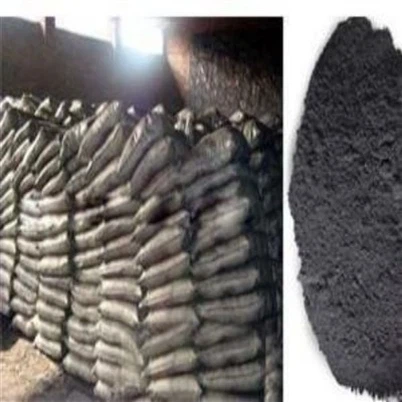
FeSi is available as lumps, typically 10-100 mm, granules of 3-10 mm, and powder or briquettes for specific dosing methods. Grade selection depends on the silicon requirement, the addition method and cost considerations. Higher silicon grades deliver more silicon per ton of alloy, while lower grades offer a more economical silicon unit in bulk applications.
Selection Considerations for Buyers
Match the silicon grade to the target analysis and the alloying efficiency required.
Choose the form according to dosing equipment: lumps for furnaces, granules and powder for automated feeding.
Check impurity limits, especially aluminum, calcium and carbon, which affect steel quality.
Verify sizing and packaging for the intended handling and storage.
FAQ
Q1: What is FeSi used for? FeSi is used as a deoxidizer, alloying agent and inoculant in steelmaking, foundry operations and alloy production.
Q2: How does FeSi deoxidize steel? Silicon in FeSi reacts with dissolved oxygen to form silica, which leaves the steel as slag, producing cleaner, stronger metal.
Q3: What do the numbers in FeSi 45, 65 and 75 mean? They indicate the approximate silicon percentage in the alloy.
Q4: Why is FeSi important for electrical steel? Silicon improves the magnetic properties of steel, so FeSi is the key silicon source for transformer and motor core steels.
Q5: What forms of FeSi are available? Lumps, granules, powder and briquettes, selected according to the dosing method and process requirement.