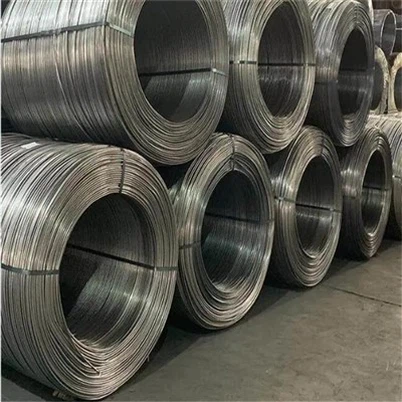

What is the Al, Ca, Fe content in silicon metal grades?
Leave a message
Al, Ca, and Fe Content in Silicon Metal Grades and Their Industrial Applications
Silicon metal is a strategic raw material in aluminum alloys, chemical processing, silicones, and advanced materials manufacturing. For procurement professionals and technical leaders, understanding the aluminum (Al), calcium (Ca), and iron (Fe) content in silicon metal grades is essential for selecting the right material and controlling production performance.
This article explains the typical impurity limits of common silicon metal grades, identifies which grades are best for aluminum alloy production and chemical industry use, and clarifies what qualifies as high-purity silicon metal.
As an experienced supplier of silicon metal and ferroalloys, ZhenAn provides consistent, specification-compliant materials to global industrial customers.
For technical details or quotations, contact info@zaferroalloy.com.
Al, Ca, and Fe Content in Silicon Metal Grades
Industrial silicon metal grades are classified by maximum allowable impurity levels, not only by total silicon percentage. The three most critical impurities are iron (Fe), aluminum (Al), and calcium (Ca).
Typical Impurity Limits by Grade
| Silicon Metal Grade | Si (%) Typical | Fe (%) Max | Al (%) Max | Ca (%) Max |
|---|---|---|---|---|
| Silicon Metal 553 | ≥ 98.5 | 0.5 | 0.5 | 0.3 |
| Silicon Metal 441 | ≥ 99.1 | 0.4 | 0.4 | 0.1 |
| Silicon Metal 3303 | ≥ 99.4 | 0.3 | 0.3 | 0.03 |
| High-Purity Silicon Metal | ≥ 99.7–99.9 | ≤ 0.1 | ≤ 0.1 | ≤ 0.02 |
Role of Each Impurity
Iron (Fe): Influences alloy strength and electrical properties
Aluminum (Al): Affects melt behavior and reactivity
Calcium (Ca): Strongly impacts oxidation, slag formation, and melt cleanliness
Among these, Ca is often the most sensitive impurity, even at very low levels.
Which Silicon Metal Grade Is Best for Aluminum Alloy?
The optimal silicon metal grade for aluminum alloys depends on alloy quality requirements and production process stability.
Recommended Grades for Aluminum Industry
Silicon Metal 553
Most widely used grade
Cost-effective
Suitable for standard aluminum casting and general alloys
Acceptable impurity tolerance for large-scale production
Silicon Metal 441
Lower Ca and Al than 553
Better melt cleanliness
Commonly used for aluminum extrusion and higher-grade alloys
Silicon Metal 3303
High purity and excellent consistency
Preferred for precision aluminum alloys and demanding applications
Higher cost but reduced defect risk
Industry guidance:
Standard casting → 553
High-quality extrusion → 441
Precision or specialty alloys → 3303
Which Grade of Silicon Metal Is Used in the Chemical Industry?
The chemical and silicone industries require higher purity and tighter impurity control than standard metallurgical applications.
Common Grades for Chemical Applications
Silicon Metal 3303
Widely used for silicone monomers, organosilicon compounds, and chemical synthesis due to low Ca and Al.
High-Purity Silicon Metal (≥ 99.7%)
Used where trace elements such as Fe, P, and B must be strictly limited to ensure reaction stability and product purity.
Lower impurity levels reduce:
Unwanted side reactions
Catalyst poisoning
Process instability
What Is High-Purity Silicon Metal?
High-purity silicon metal typically refers to silicon with Si content ≥ 99.7%, significantly lower impurity levels than standard industrial grades.
Key Characteristics
Very low Fe, Al, Ca
Reduced trace elements (P, B, Ti)
Stable chemical performance
Higher production and procurement cost
Typical Applications
Chemical and silicone industries
Electronic materials (pre-refining stage)
Special aluminum alloys
Advanced material processing
High-purity silicon metal is produced through strict raw material selection, optimized furnace control, and advanced refining processes.
ZhenAn Silicon Metal Supply Advantages
ZhenAn supplies silicon metal grades 553, 441, 3303, and high-purity silicon metal with:
Stable submerged arc furnace production
Batch-level chemical analysis
Strict impurity control
Custom particle sizes (lumps, granules, powder)
Export-standard packaging
Our products are trusted by customers in aluminum smelting, foundries, chemical plants, and alloy manufacturing worldwide.
For specifications or procurement discussions, contact info@zaferroalloy.com.
Frequently Asked Questions (FAQ)
Which impurity is most critical in silicon metal?
Calcium is often the most critical because it strongly affects oxidation behavior and melt cleanliness.
Is silicon metal 553 suitable for aluminum alloys?
Yes. Silicon metal 553 is suitable for most standard aluminum alloy applications.
Why does the chemical industry prefer silicon metal 3303?
Due to its lower Ca and Al content, which improves reaction stability and product purity.
Is high-purity silicon metal the same as electronic-grade silicon?
No. High-purity silicon metal is an industrial material, while electronic-grade silicon undergoes further refining.
Can ZhenAn supply customized impurity specifications?
Yes. ZhenAn can produce silicon metal according to customized impurity limits based on customer requirements.
Conclusion
Understanding the Al, Ca, and Fe content in silicon metal grades is essential for selecting the right material for aluminum alloys or chemical applications. From cost-effective 553 to high-purity silicon metal, each grade serves a distinct industrial purpose.
With consistent quality and professional technical support, ZhenAn is a reliable partner for global silicon metal supply.
For detailed specifications, samples, or pricing, contact info@zaferroalloy.com.