
What Is Silicon Carbon Alloy? A Complete Guide For Steelmaking
Leave a message
What Is Silicon Carbon Alloy? A Complete Guide for Steelmaking
In modern steelmaking, materials that improve efficiency and reduce costs are critical. Silicon carbon alloy (Si-C alloy) is one of the most widely used metallurgical materials for this purpose.
This guide explains what silicon carbon alloy is, its composition, uses, and benefits in steelmaking and foundry industries.
What Is Silicon Carbon Alloy?
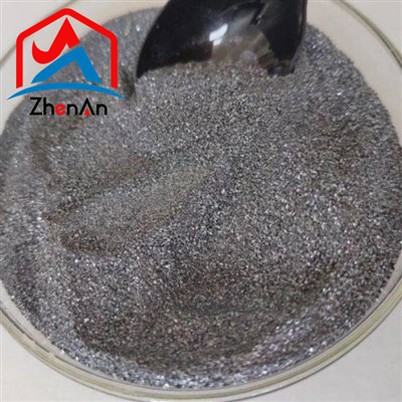
Silicon carbon alloy is a metallurgical material composed of silicon (Si) and carbon (C). It is produced by combining silicon-rich materials with carbon sources at high temperatures, resulting in a mixture that can act as both a deoxidizer and carbon additive.
Typical Composition
| Component | Content (%) | Function |
|---|---|---|
| Silicon (Si) | 50–70 | Deoxidation in molten steel |
| Carbon (C) | 10–30 | Carburization, improves slag fluidity |
| Sulfur (S) | ≤0.03 | Impurity control |
| Phosphorus (P) | ≤0.03 | Impurity control |
| Trace elements | ≤0.1 | Stability and safety |
Note: Exact composition may vary depending on furnace requirements and manufacturer specifications.
Key Functions of Silicon Carbon Alloy
Deoxidizer
Silicon reacts with oxygen in molten steel to form stable oxides, reducing oxygen content and improving steel quality.
Carbon Additive
Carbon content helps adjust steel chemistry and improves slag behavior, reducing the need for separate carburizers.
Slag Conditioner
Enhances slag fluidity, promotes impurity separation, and improves furnace efficiency.
Applications
| Application | Description |
|---|---|
| Converter Steelmaking (BOF) | Acts as a deoxidizer and carbon source |
| Electric Arc Furnace (EAF) | Fast melting, efficient deoxidation |
| Foundry | Adjusts chemical composition, improves casting quality |
Advantages of Silicon Carbon Alloy
Cost-effective: Cheaper than ferrosilicon for many applications
Dual function: Combines deoxidation and carbon addition in one material
Fast reaction: Shorter furnace time, less energy consumption
Flexible: Available in lump, granules, and powder forms to suit different steelmaking processes
FAQ
1. How is silicon carbon alloy different from ferrosilicon?
Si-C alloy provides both silicon and carbon, while ferrosilicon mainly provides silicon. Si-C alloy is generally cheaper and reacts faster in furnaces.
2. Can silicon carbon alloy replace ferrosilicon?
Yes, partially or fully depending on steel grade and process requirements.
3. What sizes are available?
Lump: 10–50 mm
Granules: 1–10 mm
Powder: <1 mm
4. Which industries use silicon carbon alloy?
Steelmaking (converter, EAF)
Foundry
Specialty metallurgical applications
Conclusion
Silicon carbon alloy is a versatile and cost-effective material widely used in steelmaking and foundries. Its dual function as a deoxidizer and carbon additive makes it ideal for:
Reducing material costs
Improving furnace efficiency
Maintaining steel quality
👉 For reliable supply, custom compositions, and competitive pricing, contact us now for technical support and quotations.
Why Choose ZhenAn
Trusted Quality – Strict quality control and inspection for every batch, ensuring consistent chemical composition and performance.
Main Products – Silicon Carbide, Ferro Vanadium, Flake Vanadium Pentoxide, Metallic Silicon, Silicon Powder, Electrolytic Manganese Flakes, Ferrosilicon.
Flexible Customization – Particle size, grade, purity, and packaging tailored to your production needs.
Experienced Export Partner – Skilled in international documentation, inspection, and logistics for smooth deliveries to global markets.
Reliable Supply – Long-term partnerships with qualified manufacturers ensure steady production and on-time shipments.
Fast & Professional Support – Quick quotations, clear specifications, and technical guidance for procurement teams.
Value-Oriented – Focus on production efficiency and total cost-effectiveness, not just price.
Email: info@zaferroalloy.com
WhatsApp: +8615518824805