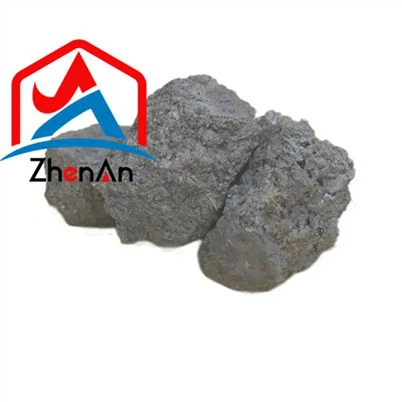

The Five Major Industrial Uses of Calcium Carbide
Leave a message
How Calcium Carbide Works
Calcium carbide (CaC2) is produced in an electric arc furnace by reacting lime (CaO) with carbon at temperatures above 2000°C. Its defining reaction is hydrolysis: CaC2 + 2H2O gives C2H2 (acetylene) and Ca(OH)2. Because the reaction is fast, controllable, and generates a useful fuel gas, calcium carbide became the backbone of acetylene chemistry and remains an important industrial material.
Use 1: Oxy-Acetylene Welding and Cutting
Acetylene burned with oxygen produces the hottest practical fuel-gas flame, approximately 3160-3300°C, which melts steel rapidly. Oxy-acetylene equipment is portable, works without mains power, and is used for cutting thick plates, welding repairs, brazing, and flame heating in construction, shipyards, and field maintenance. Small carbide generators still supply acetylene where bottled gas is not available.
Use 2: Chemical Feedstock for C2 Chemistry
Acetylene is a building block for many chemicals: vinyl chloride monomer for PVC, vinyl acetate, acrylonitrile, acetylene black, and 1,4-butanediol. Although ethylene has replaced acetylene in much of the petrochemical world, regions with abundant carbide and electricity, notably parts of China, continue to use the calcium carbide-acetylene route for PVC and related products.
Use 3: Desulfurization and Deoxidation in Steelmaking
Calcium carbide is injected into hot metal and molten steel as a desulfurizer: calcium combines with sulfur to form calcium sulfide, which floats into the slag. It also serves as a deoxidizer and a heat source in ladle metallurgy. Carbide-based desulfurization is a standard route for producing low-sulfur steel grades used in pipelines, plates, and forgings.
Use 4: Calcium Cyanamide Production
Heating calcium carbide in nitrogen at about 1000-1100°C forms calcium cyanamide (CaCN2), a slow-release nitrogen fertilizer and a precursor for melamine, dicyandiamide, and other nitrogen chemicals. The process, known as nitridation or cyanamid process, converts carbide into an agricultural and chemical product of high value.
Use 5: Agriculture and Legacy Applications
Acetylene released from carbide mimics the plant hormone ethylene and is used in some regions to ripen fruits such as mangoes and bananas after harvest. Carbide lamps powered early miners, caving expeditions, and early automobiles before electric lighting. These uses are smaller today, and food-contact applications are regulated: many countries restrict or prohibit carbide ripening because of possible arsenic and phosphorus impurities, so food-grade carbide or ethylene gas is required where allowed.
Grades and Quality
| Grade | Gas yield | CaC2 content |
| Grade 285 | 285 L/kg min | About 90% |
| Grade 295 | 295 L/kg min | About 94% |
| Grade 305 | 305 L/kg min | About 96% |
FAQ
1. How much acetylene does one kilogram of carbide produce?
A 295 L/kg grade produces at least 295 litres of acetylene at standard conditions. Pure CaC2 has a theoretical yield of about 372 L/kg, and the difference reflects the calcium oxide and impurities in commercial carbide.
2. How is calcium carbide used to desulfurize steel?
Carbide is injected as powder into hot metal or steel with a carrier gas. Calcium reacts with sulfur to form calcium sulfide, which reports to the slag. Injection practice, temperature, and stirring determine the final sulfur level.
3. Is calcium carbide dangerous to handle?
It reacts with water and humid air, releasing flammable and potentially explosive acetylene. Store in airtight, moisture-proof containers in dry areas, keep away from ignition sources, and follow the safety data sheet. Water must never be used on carbide fires.
4. Which carbide grade should I buy?
Match the grade to the application: standard welding and lighting use 285-295 L/kg grades; chemical processes that need pure acetylene prefer 295-305 L/kg with low sulfur and phosphorus. Confirm the size range that fits your generator or dosing equipment.
5. Is carbide still used for fruit ripening?
In some regions, yes, but many countries regulate or ban it because of impurity risks. Where permitted, food-grade carbide or controlled ethylene application is used. Check local regulations before using carbide in any food application.