

Use of silicomanganese washed iron
Leave a message
Silicon-manganese washed iron is an iron alloy that is obtained by adding silicon and manganese to ironmaking during the smelting process. This alloy is commonly used in steel production to improve the properties of steel.
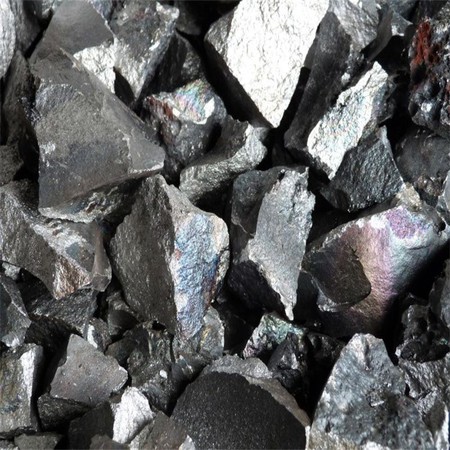
Ferric silicomanganese wash has a wide range of applications as a ferroalloy in steel production and other related industries. The following are some common uses of ferric silicomanganese wash:
Steel production: Ferric silicomanganese wash is a common alloy additive used to improve the properties of steel. By adding the right amount of ferric silicomanganese wash to the ironmaking furnace, the chemical composition of steel can be adjusted to improve the hardness, strength and wear resistance of steel. It is often used in the production of special steels such as alloy steel, stainless steel and wear-resistant steel.
Corrosion-resistant materials manufacturing: The silicon element in silicon-manganese washed iron helps to improve the corrosion resistance of materials. Therefore, ferric silicomanganese wash is often used in the manufacture of materials that need to resist corrosion, such as chemical equipment, marine engineering and food processing equipment. It can increase the acid and alkali resistance of the material and prolong the service life of the material.
Silicon-manganese alloy production: Silicon-manganese washed iron is also one of the important raw materials for the production of silicon-manganese alloys. Silicomanganese alloy is a common alloy used to improve the strength and toughness of steel. It is widely used in the metallurgical and foundry industries for the production of alloy steels, stainless steels and special alloys.
It is important to note that the exact method and ratio of use will vary depending on the application and needs. When using ferric silicomanganese wash, it should be added and operated correctly according to the specific process and formulation requirements.


