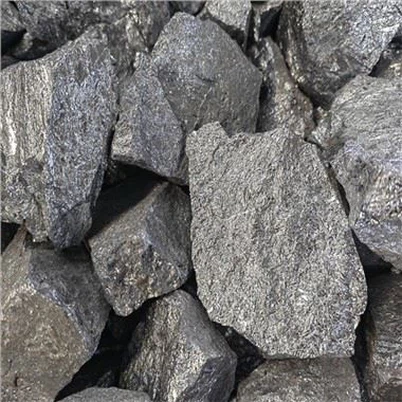

Recarburizer: Types, Grades and Use in Casting
Leave a message
Introduction to Recarburizers (Carbon Raisers)
A recarburizer (also called carburizer or carbon raiser) is a carbon-rich material added to molten iron or steel to raise the carbon content to the target level. It is essential in electric furnace steelmaking and in foundry practice where scrap-based charges are low in carbon.
1. Raw Materials and Types
| Type | Typical fixed carbon | Typical sulfur | Use |
|---|---|---|---|
| Graphitized petroleum coke (GPC) | ≥98% | ≤0.05% | High-quality cast iron, ductile iron |
| Calcined petroleum coke (CPC) | 95-98% | 0.1-0.5% | General steelmaking |
| Graphite (natural/synthetic) | 95-99%+ | Low | Special steel, low-sulfur requirements |
| Coal-based carbon (e.g., anthracite) | 70-90% | 0.3-1.0% | Cost-sensitive applications |
| Charcoal | 80-90% | Very low | Traditional foundry use |
2. Why Graphitized Recarburizers Are Preferred
High-quality recarburizers are usually graphitized. During graphitization at high temperature, the carbon atoms rearrange into the microscopic graphite structure. This treatment: reduces impurity content (especially sulfur), increases the fixed carbon content, and improves dissolution and absorption in the melt. For ductile iron and low-sulfur steels, graphitized material is the standard choice.
3. Key Quality Indicators
Fixed carbon (FC): the actual carbon available; higher is better (≥98% for GPC).
Sulfur: pick-up into the melt must be controlled; low-sulfur grades for ductile iron.
Ash and volatiles: lower ash improves absorption and reduces slag.
Particle size: matched to the addition method (e.g., 0.5-5 mm for furnace additions, fine grades for wire feeding).
Absorption rate: typically 80-95% depending on grade, addition method and melt temperature.
4. Use in Casting
In foundry practice, using recarburizers lets foundries increase the scrap steel proportion of the charge and reduce (or eliminate) pig iron, lowering raw material cost while keeping the target carbon content. Addition practice:
In electric furnace smelting, add the recarburizer together with the charge (scrap steel) at the beginning.
For ladle adjustment, add a small dose on the surface of the molten iron.
Avoid large one-time additions to molten metal: excessive oxidation at the surface reduces the carbon increase effect and can leave castings short of the target carbon.
Choose the grade by cast iron type and carbon requirement; proper selection reduces casting production cost.
5. Selection Checklist
Specify fixed carbon, sulfur, ash, particle size and moisture.
For ductile iron, prefer graphitized low-sulfur grades; for ordinary gray iron, standard GPC/CPC grades are economical.
Confirm absorption rate and dosing calculation with the supplier for your furnace practice.
Frequently Asked Questions
What is a recarburizer and why is it needed? recarburizer, also called a carburizer or carbon raiser, is a carbon-rich material added to molten iron or steel to raise the carbon content to the target level. It is essential in electric furnace steelmaking and in foundry practice where scrap-based charges are low in carbon.
What are the main types of recarburizer and how do they differ? Graphitized petroleum coke (GPC) offers fixed carbon of 98% or more with sulfur of 0.05% or less and is used for high-quality cast iron and ductile iron. Calcined petroleum coke (CPC) at 95-98% fixed carbon and 0.1-0.5% sulfur suits general steelmaking. Natural or synthetic graphite reaches 95-99%+ with low sulfur for special steels, coal-based carbon such as anthracite (70-90% fixed carbon) serves cost-sensitive applications, and charcoal is the traditional foundry material with very low sulfur.
Why are graphitized recarburizers preferred for quality cast iron? During graphitization at high temperature, the carbon atoms rearrange into the microscopic graphite structure. This treatment reduces impurities, especially sulfur, increases the fixed carbon content, and improves dissolution and absorption of the carbon in the melt. For ductile iron and low-sulfur steels, graphitized material is the standard choice.
What are the key quality indicators of a recarburizer? Fixed carbon is the actual carbon available, and higher is better (98% or more for GPC). Sulfur must be controlled because it is picked up into the melt, so low-sulfur grades are selected for ductile iron. Lower ash improves absorption and reduces slag, particle size must match the addition method (for example 0.5-5 mm for furnace additions and fine grades for wire feeding), and the absorption rate is typically 80-95% depending on grade, addition method and melt temperature.
How is a recarburizer added in casting? In electric furnace smelting, the recarburizer is added together with the scrap charge at the beginning, while ladle adjustment uses a small dose on the surface of the molten iron. Large one-time additions to molten metal should be avoided because excessive oxidation at the surface reduces the carbon gain and can leave castings short of the target carbon.
How should a foundry select the right recarburizer? The specification should cover fixed carbon, sulfur, ash, particle size and moisture. For ductile iron, graphitized low-sulfur grades are preferred, while standard GPC or CPC grades are economical for ordinary gray iron. The absorption rate and dosing calculation should be confirmed with the supplier for the specific furnace practice.