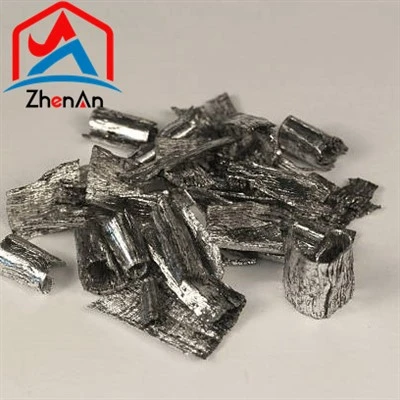

Tin Ingot Production Process: From Tin Ore Mining To 99.99% Pure Tin Metal
Leave a message

Tin Ingot Production Process: From Tin Ore Mining to 99.99% Pure Tin Metal
1. What Is Tin Ingot?
Tin ingot is a refined metal product produced by smelting and refining tin-containing raw materials. It is one of the most important forms of commercial tin and is widely used in:
Electronics and solder materials
Tinplate production
Chemical industries
Tin alloys
Specialty applications
Commercial tin ingots are usually supplied in purity grades ranging from 99.90% to 99.99% Sn, depending on application requirements.
The production of tin ingots is not a direct mining process. Instead, it involves a complete industrial chain:
Tin Ore → Mining → Beneficiation → Smelting → Refining → Tin Ingot Casting
The primary mineral source of tin is cassiterite (SnO₂).
2. What Is Tin Ore?
Tin ore mainly refers to natural mineral deposits containing tin, with cassiterite (SnO₂) being the most important commercial tin mineral.
Cassiterite has:
| Mineral | Chemical Formula | Role |
|---|---|---|
| Cassiterite | SnO₂ | Main raw material for tin production |
Natural tin ore usually contains only a limited amount of tin along with:
Quartz
Iron minerals
Silicates
Other gangue minerals
Therefore, beneficiation is required before smelting to increase tin concentration.
3. Tin Mining Process
3.1 Geological Exploration
Before mining begins, geological investigations are carried out to determine:
Ore body location
Mineral distribution
Tin reserves
Mining feasibility
Common exploration methods include:
Geological mapping
Drilling exploration
Sampling and laboratory analysis
The goal is to evaluate the economic value of the deposit.
3.2 Mine Development
After confirming the deposit, mining infrastructure is constructed.
Main facilities include:
Mine shafts or open-pit structures
Transportation systems
Ventilation systems
Ore storage facilities
Processing plants
The mining method depends on deposit conditions.
3.3 Tin Ore Mining
Tin ore is mainly extracted through:
Underground Mining
Used for:
Deep vein deposits
Hard-rock tin ores
Methods include:
Drilling
Blasting
Underground transportation
Open-Pit Mining
Used for:
Near-surface deposits
Large-scale ore bodies
Placer Tin Mining
Some tin deposits are found in river sediments.
Because cassiterite has high density, placer tin is commonly recovered by gravity methods.
4. Tin Ore Beneficiation Process
The purpose of beneficiation is to separate valuable cassiterite from waste minerals.
The main beneficiation methods include:
4.1 Gravity Separation
Gravity separation is the most common method because cassiterite has a high specific gravity.
Equipment includes:
Jigs
Shaking tables
Spiral separators
It is mainly used for:
Placer tin deposits
Coarse cassiterite particles
4.2 Flotation
Flotation is used when tin minerals are finely distributed.
It separates cassiterite from:
Sulfide minerals
Fine gangue materials
4.3 Magnetic Separation
Magnetic separation may be used to remove magnetic impurities such as:
Iron minerals
Other unwanted materials
After beneficiation, a higher-grade tin concentrate is obtained for smelting.
5. Tin Smelting and Refining Process
The tin concentrate is converted into pure tin metal through high-temperature treatment and refining.
5.1 Roasting and Pretreatment
Before smelting, concentrates may be treated to remove unwanted components.
The process helps reduce:
Sulfur
Arsenic
Volatile impurities
This improves smelting efficiency and final tin quality.
5.2 Reduction Smelting
The main chemical reaction is:
SnO₂ + C → Sn + CO₂
During reduction smelting:
Tin oxide is converted into metallic tin
Impurities separate into slag
The resulting crude tin contains:
Tin metal
Copper
Lead
Iron
Antimony
Bismuth
Other impurities
5.3 Tin Refining
Crude tin undergoes refining to achieve commercial purity.
Common refining methods include:
Pyrometallurgical refining
Electrolytic refining
Chemical purification
Impurities removed include:
Pb (Lead)
Cu (Copper)
Bi (Bismuth)
Sb (Antimony)
Fe (Iron)
5.4 Casting into Tin Ingots
After refining, molten tin is cast into standard ingot shapes.
The final products are:
Industrial tin ingots
High-purity tin ingots
Customized tin products
6. Tin Ingot Specifications
Commercial tin ingots are classified mainly by purity.
Typical Tin Ingot Grades
| Grade | Tin Content | Typical Applications |
|---|---|---|
| Industrial Grade | ≥99.90% Sn | General manufacturing |
| High Purity Grade | ≥99.95% Sn | Electronics and advanced applications |
| Ultra High Purity Grade | ≥99.99% Sn | Semiconductor and precision industries |
Important quality parameters include:
| Element | Importance |
|---|---|
| Tin (Sn) | Main purity indicator |
| Lead (Pb) | Critical impurity for electronics |
| Copper (Cu) | Affects alloy properties |
| Bismuth (Bi) | Controlled for special applications |
| Antimony (Sb) | Influences mechanical properties |
| Iron (Fe) | Affects metal cleanliness |
7. Main Applications of Tin Ingots
7.1 Electronics and Solder Industry
One of the largest uses of refined tin is solder production.
Applications include:
Electronic solder wire
Solder paste
Semiconductor packaging
Tin provides:
Good wettability
Reliable electrical connection
Corrosion resistance
7.2 Tinplate Production
Tin is coated onto steel sheets to produce tinplate.
Applications include:
Food cans
Beverage containers
Packaging materials
The tin coating improves:
Corrosion resistance
Surface protection
7.3 Tin Alloys
Tin ingots are used to produce alloys such as:
Bronze
Tin + Copper
Applications:
Bearings
Mechanical components
Decorative materials
Solder Alloys
Tin combined with:
Silver
Copper
Other metals
for electronic joining applications.
7.4 Chemical Industry
Tin is used to produce:
Tin oxides
Tin salts
Chemical additives
Coatings
8. Tin Ingot VS Similar Products
8.1 Tin Ingot VS Tin Ore
| Comparison | Tin Ingot | Tin Ore |
|---|---|---|
| Material type | Refined metal | Natural mineral |
| Tin content | Usually ≥99.9% | Much lower |
| Processing stage | Finished product | Raw material |
| Application | Direct manufacturing | Smelting feedstock |
| Value | Higher | Requires processing |
8.2 Tin Ingot VS Tin Alloy
| Comparison | Tin Ingot | Tin Alloy |
|---|---|---|
| Composition | Mainly pure tin | Tin mixed with other metals |
| Purity | Higher | Application-specific |
| Main use | Raw material | Finished alloy products |
| Flexibility | Used for further processing | Ready for specific applications |
9. Tin Ingot Quality Control
Reliable tin ingot production requires strict testing.
Chemical Analysis
Testing includes:
Tin purity
Lead content
Copper content
Bismuth content
Antimony content
Iron content
Physical Inspection
Including:
Appearance
Weight
Surface condition
Ingot dimensions
Documentation
Professional suppliers provide:
Certificate of Analysis (COA)
Mill Test Certificate (MTC)
Inspection reports
Shipping documents
10. Packaging and Storage
Common export packaging:
| Packaging | Application |
|---|---|
| Wooden cases | Export protection |
| Steel straps | Bundle fixing |
| Customized packaging | Customer requirements |
Storage recommendations:
Keep in dry warehouses
Avoid chemical contamination
Protect packaging integrity
11. Tin Ingot Buying Guide
Before purchasing tin ingots, buyers should confirm:
Product Requirements
Specify:
Tin purity grade
Chemical composition
Ingot weight
Packaging method
Inspection requirements
Supplier Evaluation
A reliable supplier should provide:
Stable supply capability
COA documentation
Quality inspection
Export experience
12. Frequently Asked Questions
What is tin ingot made from?
Tin ingots are produced from tin ore, mainly cassiterite (SnO₂), through beneficiation, smelting and refining.
What purity is commercial tin ingot?
Commercial tin ingots commonly range from 99.90% to 99.99% tin.
What is the main tin ore?
Cassiterite (SnO₂) is the primary commercial tin mineral.
What industries use tin ingots?
Main applications include electronics, solder manufacturing, tinplate, chemicals and alloys.
What is the difference between tin ore and tin ingot?
Tin ore is a natural mineral requiring processing, while tin ingot is refined metal ready for industrial use.

Tin Ingot Supply for Industrial Applications
We supply high-quality tin ingots with controlled purity and chemical composition for electronics, solder production, alloys, chemical industries and industrial manufacturing.
Available grades include: 99.90% Tin 99.95% Tin 99.99% Tin
Customized specifications, packaging and quality documentation are available.
WhatsApp: +86 15518824805 Email: info@zaferroalloy.com