
Electrolytic Manganese Flakes Price: What Drives the Cost per Tonne
Leave a message
What Electrolytic Manganese Flakes Are
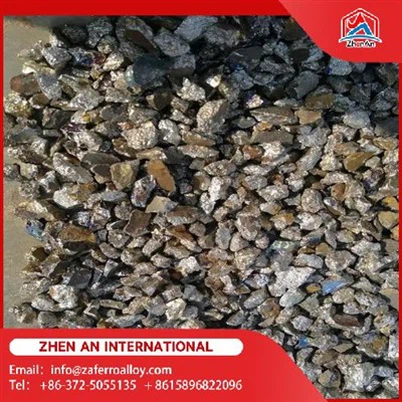
Electrolytic manganese metal is produced by leaching manganese ore, purifying the solution and depositing manganese metal on cathodes in an electrolytic cell. The deposit is stripped and processed into flakes, which are a bright, silver-grey, brittle material with a high and tightly controlled manganese content. The commercial grades used in steelmaking, aluminium alloys and battery chemistries sit at 99.7% manganese or above, with premium material specified at 99.8%. The process is electricity and reagent intensive, and that is the starting point for understanding what the material costs.
Reference Price Levels
For orientation only, published indications for 30 July 2025 put European electrolytic manganese at 99.7% in a range of USD 1975-1995 per ton. Chinese material was quoted at USD 1940-1950 per ton FOB Tianjin Port for 99.7% electrolytic manganese metal, while manganese ingot was indicated at USD 1995-2005 per ton for grade 95 and USD 2005-2015 per ton for grade 97 on the same basis.
| Product | Specification | Low | High | Basis |
|---|---|---|---|---|
| Electrolytic manganese | 99.70% Mn | USD 1975 / ton | USD 1995 / ton | European market |
| Electrolytic manganese metal | 99.70% Mn | USD 1940 / ton | USD 1950 / ton | FOB Tianjin Port |
| Manganese ingot | 95 grade | USD 1995 / ton | USD 2005 / ton | FOB Tianjin Port |
| Manganese ingot | 97 grade | USD 2005 / ton | USD 2015 / ton | FOB Tianjin Port |
These are dated reference levels for one trading day. They show the usual structure of the market: European delivered material carries a premium over Chinese FOB material, and higher-manganese ingot grades sit above the standard electrolytic flake.
What Drives the Cost per Tonne
Manganese ore - ore is the largest physical input. Grade, origin, freight and the ore-to-metal ratio set the floor for any producer, and ore price moves with mining supply and steel demand.
Electricity - electrolysis is the defining step of the process. Power tariffs in the producing region are usually the single biggest swing factor in cash cost, which is why smelters cluster where electricity is cheap and stable.
Reagents and consumables - selenium dioxide additions, sulphur dioxide for reduction, acid, ammonia and cathode plates all add cost and are sensitive to their own market cycles.
Yield and current efficiency - cell house practice determines how much metal is recovered per unit of ore and power. Higher current efficiency and fewer cathode rejects lower unit cost.
Labour, treatment and compliance - effluent treatment, residue handling and environmental controls are a real and rising part of the cost base.
Logistics and currency - export packing, inland haulage to port, ocean freight and the exchange rate all sit between the ex-works cost and a delivered price.
Grade and Purity: 99.7% versus 99.8%
The headline manganese figure is not the whole specification. Buyers also set limits on iron, silicon, carbon, sulphur, phosphorus and selenium, because those elements behave differently in the melt. Selenium is deliberately retained at a controlled level as a grain refiner but must be capped where it would affect the final chemistry. A 99.8% grade narrows the impurity window and is chosen where cleaner metal is worth the premium, such as high-manganese steel and certain alloy and battery applications. For routine aluminium alloying and general steelmaking, 99.7% flake is normally the economic choice.
Comparing Forms: Flakes, Ingot and Briquettes
| Form | Typical use | Practical notes |
|---|---|---|
| Electrolytic flakes | Alloying addition in steel and aluminium | Fast dissolution, easy to weigh, standard export packing |
| Manganese ingot | Furnace additions where a slower dissolution is acceptable | Quoted at a higher level than flake for the same manganese content |
| Briquettes and compacts | Recovery of fines and controlled feeding | Improves handling and limits dust losses |
How to Read a Quotation
Four items should always be checked before comparing prices. First, the basis: FOB port, delivered warehouse or ex-works, because the difference is freight and risk. Second, the assay and the full impurity table, not just the manganese figure. Third, the packing: steel drums, lined bags or jumbo bags change both the unit cost and the handling need. Fourth, the validity period, because electrolytic manganese moves with ore and power costs and quotes are usually firm for only a short window. A quotation that is cheap on the headline figure but short on assay detail is rarely the cheapest material delivered to the furnace.
Frequently Asked Questions
Q: What is the current price level for electrolytic manganese flakes?
Published indications for 30 July 2025 put 99.7% material at USD 1940-1950 per ton FOB Tianjin Port in China and USD 1975-1995 per ton in the European market. These are dated reference levels and should be rechecked before budgeting.
Q: Why does European material cost more than Chinese material?
Delivered European prices include freight, duty and local distribution margins, whereas Chinese figures are quoted FOB at the port. The gap is largely a logistics and channel difference rather than a quality difference.
Q: What is the biggest cost driver?
Manganese ore and electricity. Ore sets the physical input cost and power tariffs dominate the electrolysis step, so producer cash cost moves closely with ore prices and regional electricity rates.
Q: Is 99.8% flake worth the premium?
Only where a cleaner melt matters. The higher grade narrows the impurity window and suits high-manganese steels and demanding alloy work; for general alloying, 99.7% flake is usually sufficient.
Q: How should flakes be packed and stored?
Standard export packing is steel drums or lined bags, sometimes jumbo bags. Keep the material dry and sealed, because moisture pickup causes surface oxidation and complicates accurate charging.
Q: How long are quotations valid?
Typically only a short period, since the price tracks ore and power markets. Ask for the validity date, the delivery basis and the packing specification together with the assay so the comparison is like for like.