
How Is Calcium Carbide Made?
Leave a message
How Is Calcium Carbide Made?
Calcium carbide (CaC₂) is a critical industrial chemical produced through a high-temperature reaction between lime (calcium oxide, CaO) and coke (carbon, C). This process, known as carbothermal reduction, requires specialized equipment and precise control to ensure efficiency and safety. Below, we break down the step-by-step production process, key raw materials, and industrial considerations.
1. Raw Materials
The primary ingredients for calcium carbide are:
Lime (Calcium Oxide, CaO): Derived from limestone (CaCO₃) via calcination (heating to ~900°C to drive off CO₂).
Coke (Carbon, C): A high-purity carbonaceous material (typically anthracite or petroleum coke) that acts as the reducing agent.
Both materials must be dry and free of sulfur, phosphorus, and other impurities to avoid contaminating the final product.
2. The Carbothermal Reduction Process
Calcium carbide is synthesized in an electric arc furnace-a large, cylindrical vessel lined with refractory materials (e.g., magnesium oxide) to withstand extreme heat. The process involves three key stages:
Stage 1: Charging the Furnace
Lime and coke are mixed in a specific molar ratio (approximately 1:3 by weight) and fed into the furnace through a hopper. The mixture is carefully dried to prevent moisture from reacting prematurely with the raw materials.
Stage 2: Heating and Reaction
The furnace is energized with high-voltage electrodes, creating an electric arc that heats the mixture to 2000–2500°C-well above the melting point of calcium carbide (~447°C). At these temperatures, the carbon in coke reduces calcium oxide to calcium carbide:
CaO+3C2000–2500°CCaC2+CO↑
By-Product: Carbon monoxide (CO) gas is released during the reaction and is typically captured and burned as fuel to power the furnace or other plant operations.
Stage 3: Tapping and Cooling
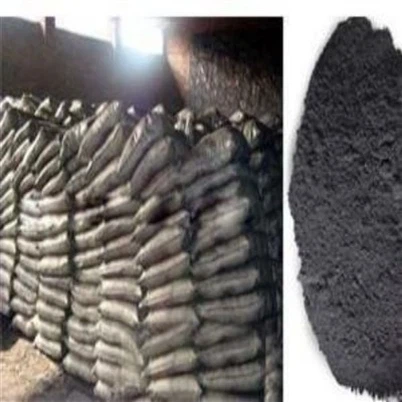
Molten calcium carbide collects at the bottom of the furnace, where it is periodically tapped into molds or ladles. The liquid carbide cools and solidifies into grayish-black lumps or granules. Once cooled, the product is crushed, screened, and sorted by size (e.g., 50–100 mm lumps for industrial use).
3. Key Process Controls
To ensure high purity and yield, manufacturers monitor:
Temperature: Maintaining 2000–2500°C is critical-too low, and the reaction is incomplete; too high, and energy costs skyrocket.
Raw Material Quality: Impurities like sulfur or phosphorus in coke/lime can contaminate the carbide, reducing its usability (e.g., in food/agriculture).
Gas Management: CO emissions are controlled to meet environmental regulations and minimize safety risks.
4. Industrial-Scale Production
Large calcium carbide plants produce thousands of tons annually. Modern facilities use automated systems to:
Regulate raw material feeding and furnace temperature.
Capture and recycle CO gas for energy efficiency.
Handle molten carbide safely to prevent spills or explosions.
5. Safety and Environmental Considerations
Hazards: The process involves extreme heat, toxic CO gas, and reactive molten materials. Strict safety protocols (e.g., PPE, ventilation) are mandatory.
Waste: Spent refractory linings and dust are recycled or disposed of in accordance with environmental laws.
Why Choose ZhenAn Company for High-Quality Calcium Carbide?
ZhenAn Company sources calcium carbide from ISO-certified plants that adhere to strict production standards. Our products offer:
High Purity: 80%–98% CaC₂ content with low impurities (arsenic <10 ppm, phosphorus <20 ppm).
Consistent Quality: Rigorous testing (e.g., titration, XRF) to ensure batch-to-batch reliability.
Custom Sizes: Lumps, granules, or powder tailored to your application (welding, agriculture, metallurgy).
📧 Contact us today at info@zaferroalloy.comto learn more about our calcium carbide production process and product offerings. Let ZhenAn be your trusted partner for reliable industrial chemicals!