
Ferromolybdenum Application Fields: Aerospace, Automotive, Energy and Tooling
Leave a message
What Ferromolybdenum Is and Why Mills Use It
Ferromolybdenum, usually written FeMo, is a master alloy of molybdenum and iron that is added to liquid steel so that a heat reaches its molybdenum target in one controlled addition. Molybdenum itself melts at 2,623 °C, far above any steelmaking bath, so the pure metal cannot be dissolved directly in an economic way. In ferromolybdenum the molybdenum is already combined with iron, which lowers the solution temperature to a range that a converter, electric arc furnace or ladle can handle without a long hold.
Commercial material is traded in two main grades. Recovery in the ladle is normally above 95 percent when the alloy is added below the slag layer and the bath is stirred, which is why melt shops treat FeMo as a precise alloying tool rather than a bulk charge.
| Grade | Mo content | Si max | S max | P max | C max | Cu max |
|---|---|---|---|---|---|---|
| FeMo60 | 55–65% | 1.0% | 0.10% | 0.05% | 0.10% | 0.50% |
| FeMo70 | 65–75% | 1.5% | 0.10% | 0.05% | 0.10% | 0.50% |
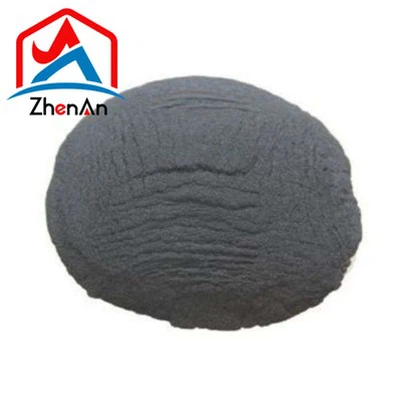
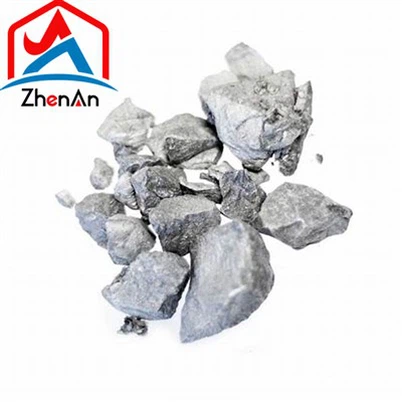
Standard delivery forms are 10–50 mm lump, 10–100 mm lump and minus 3 mm powder for powder-metallurgy or cored-wire routes. Supplying the grade, size range and packing that a melt shop already uses avoids re-screening on site and keeps the addition reproducible from heat to heat.
Aerospace and Aircraft Manufacturing
Aerospace is the application field where ferromolybdenum earns its highest value. Molybdenum-bearing superalloys and refractory alloys are chosen for components that must keep their shape while glowing hot: combustion chambers, turbine sections, exhaust ducting and thermal protection hardware. Steel parts such as landing-gear forgings, high-strength fasteners and structural fittings also rely on molybdenum to combine high strength with toughness, so that a heavy part can be made thinner without becoming brittle.
Rocket and missile hardware where short, intense thermal loads must be survived
Heat shields, nozzle linings and furnace fixtures for high-temperature processing
High-strength structural steels for airframes, landing gear and fasteners
Corrosion-resistant stainless grades used in fuel, hydraulic and control systems
The reason molybdenum works here is straightforward: it raises the temperature at which a material starts to lose strength, and it slows the creep that turns a tight tolerance into a rejection. For an aerospace programme, the alloy addition is a small fraction of the bill of materials but it decides whether a component passes its thermal qualification.
Automotive Engineering
In automotive engineering the value of ferromolybdenum is measured in mass reduction and durability. Molybdenum increases the hardenability of steel, which means a thick section can be through-hardened with a milder quench and less risk of cracking. It also raises tempering resistance, so a gear, shaft or spring keeps its hardness after the heat of service.
Typical automotive applications include boron-treated press-hardened body parts, transmission gears and shafts, engine valves and valve seats, suspension springs, and exhaust components that must resist scaling at high temperature. For an electric vehicle platform, molybdenum-bearing steels are also used in motor laminations, drive-train components and battery-pack structural members, where thin high-strength sections protect the cells while keeping weight low.
Energy and Power Generation
Power generation equipment lives with heat and pressure for decades, and that is the second large application field for ferromolybdenum. Boiler tubes, superheater and reheater tubing, steam headers and turbine components are produced from low-alloy and molybdenum-bearing Cr-Mo steels that retain strength in the creep range. Piping for oil and gas transmission uses molybdenum to combine strength with resistance to hydrogen and sour service, and refinery and petrochemical reactors depend on molybdenum-bearing stainless and clad plate to resist high-temperature hydrogen attack and corrosion.
Boiler, superheater and reheater tubing for fossil and waste-heat plants
Steam pipe, headers and turbine casings in Cr-Mo grades
Line pipe and fittings for high-pressure oil and gas transmission
Reactors, heat exchangers and columns in molybdenum-bearing stainless steel
Because these components are designed to a code and inspected at every stage, the molybdenum content has to be documented and consistent. That makes a stable FeMo source part of the quality system, not just a purchasing decision.
Heavy Machinery, Tooling and Cutting Performance
Molybdenum is a standard constituent of high-speed steel, hot-work die steel and wear-resistant tooling. It delivers the red hardness that lets a cutting tool keep an edge when the tip is hot, and it improves the toughness of dies used for forging, extrusion and die casting. In heavy machinery, crusher liners, mill liners, bucket teeth and rail components are made from molybdenum-bearing steels or cast irons where abrasion and impact occur together.
Molybdenum also appears in cast iron, where it refines the graphite structure and improves strength at temperature. Roller and roll-shell producers use it to control the hardness gradient across the working surface.
Chemical, Electronic and Lubrication Uses
Outside steelmaking, molybdenum derived from ferromolybdenum or from the same raw material stream is used in catalysts for petroleum refining and chemical synthesis, in pigments, and in molybdenum disulphide lubricants for extreme-pressure service. In electronics and vacuum technology, molybdenum is used for electrodes, filaments, sputtering targets and heat sinks, because it combines a high melting point with good thermal conductivity and a low coefficient of thermal expansion.
This breadth is what makes ferromolybdenum a resilient alloy: when steel demand softens, chemical, catalyst and electronic demand usually continues, and the same grade can serve both.
Choosing the Right Grade and Addition Practice
Match the grade to the specification limit: FeMo60 for general steelmaking, FeMo70 where the charge must stay lean
Fix the size range to the handling system, so no oversize lump reaches a cored-wire or powder route
Add below the slag layer with the bath above 1,560 °C and stir to speed dissolution
Keep moisture out of the alloy and check the lot analysis against the mill certificate before charging
Agree on lump size, packing, and analytical tolerances in writing so each delivery can be reconciled
Handled this way, ferromolybdenum is a predictable alloy addition: a small weight that decides strength, toughness, wear resistance and high-temperature performance across the industries described above.
Frequently Asked Questions
Q: What is the difference between FeMo60 and FeMo70?
FeMo60 carries 55–65% molybdenum and FeMo70 carries 65–75%. The higher grade adds less dead weight per unit of molybdenum, so it is preferred where charge space or melt weight is tight.
Q: Why can ferromolybdenum be added to steel when pure molybdenum cannot?
Pure molybdenum melts at 2,623 °C, above normal steelmaking temperatures. Combined with iron in FeMo, it dissolves in liquid steel and gives high, predictable recovery.
Q: Which industries consume the most ferromolybdenum?
Steel mills serving construction, energy and automotive are the largest consumers, followed by aerospace and tooling. Chemical, catalyst and electronic uses take smaller but steady volumes.
Q: What lump size should be ordered?
10–50 mm is the general-purpose range for ladle and furnace addition, 10–100 mm suits large furnaces and charging baskets, and minus 3 mm powder is used for cored wire and powder metallurgy.
Q: How is ferromolybdenum packed and shipped?
It is supplied in steel drums or one-tonne bags on pallets or in bulk, with each lot accompanied by an analysis certificate. Dry, covered storage prevents surface oxidation and dust.
Q: Does molybdenum improve corrosion resistance in steel?
Yes. Molybdenum strongly improves resistance to pitting and crevice corrosion in chloride environments, which is why it is a core element in duplex and austenitic stainless grades used offshore and in chemical plant.