Silicon Metal Quotations from China: 553, 441, 3303, 421 and 2202 Grades
Leave a message
February 13, 2023 Silicon Metal Quotation Overview
The February 13, 2023 quotation set for Chinese silicon metal covered five standard grades. The offers below reproduce the assessment as published, expressed in US dollars per tonne on an FOB basis; Chinese domestic assessments for the same material are conventionally quoted on a tax-inclusive basis, so the two figures are not directly interchangeable.
| Silicon metal grade | Quotation (USD/ton) | Basis |
|---|---|---|
| 2202 | 4250-4350 | FOB |
| 421 | 2800-2860 | FOB |
| 3303 | 2760-2810 | FOB |
| 441 | 2700-2750 | FOB |
| 553 | 2520-2560 | FOB |
Across the four grades below 2202 the published ranges sit within about 280 USD/ton of one another, whereas 2202 stands far above the rest at 4250-4350 USD/ton. That shape is the clearest signal in the table: the bulk of the market trades in a fairly narrow band, and the very low impurity grades are a separate, much thinner market.
Reading Chinese Silicon Metal Grade Codes
Chinese silicon metal is designated by a four-digit code that summarises the maximum content of three elements in a fixed order: iron, then aluminium, then calcium. The first digit gives iron in tenths of a percent, the second gives aluminium in tenths of a percent, and the trailing digits give calcium, read with one digit as tenths and two digits as hundredths of a percent.
553: iron 0.5 percent, aluminium 0.5 percent, calcium 0.3 percent.
441: iron 0.4 percent, aluminium 0.4 percent, calcium 0.1 percent.
421: iron 0.4 percent, aluminium 0.2 percent, calcium 0.1 percent.
3303: iron 0.3 percent, aluminium 0.3 percent, calcium 0.03 percent.
2202: iron 0.2 percent, aluminium 0.2 percent, calcium 0.02 percent.
Once the code is decoded, the grade becomes a specification rather than a label. A 553 grade permits roughly twice the iron and aluminium of a 3303 grade and ten times the calcium, which is why the two are not interchangeable even though both are sold simply as silicon metal. The same code system underpins the Chinese silicon metal specification, GB/T 2881, which fixes the grades and their analytical limits.
The Price Ladder Across Grades
The published ladder runs from 553 at the base through 441, then 3303, then 421, with 2202 at the top. The progression is driven by refining effort: tightening iron, aluminium and calcium limits raises the proportion of furnace output that meets the specification and increases the amount of dressing, grading and re-melting required, so the cost per tonne of conforming metal rises as the code tightens.
The ladder is not perfectly monotonic in a single element. Grade 421 allows more iron than 3303 but less aluminium, and it was assessed slightly above 3303 on this date. That ordering reflects the end markets: buyers of 421 are typically aluminium alloy producers for whom aluminium and calcium content matter more than a small iron allowance, while 3303 serves chemical conversion where iron and aluminium are both constrained. In other words, the price of a grade follows the demand of the industry that consumes it, not simply the arithmetic of the code.
The wide gap to 2202 has a similar explanation. Metal at 0.02 percent calcium and 0.2 percent iron is produced in limited quantity, requires careful selection and often additional treatment, and is bought by a small number of specialised consumers. Thin supply and thin demand make this grade more volatile than the mainstream codes, and quotations should be treated as indicative rather than as a firm daily market.
Typical Applications by Grade
Silicon metal is consumed in two distinct channels, and the grade code is the practical dividing line between them.
Aluminium alloying: 553 and 441 grades are the workhorses, melted with aluminium to produce silicon-aluminium alloys for casting, die-casting and secondary alloying, where a modest impurity level is acceptable.
Chemical conversion: 3303, 421 and higher grades feed the production of silicones, silanes and fumed silica, where residual iron, aluminium and calcium must be tightly controlled to protect catalysts and product colour.
Specialised uses: very low impurity grades including 2202 serve electronic and photovoltaic applications and other duties where calcium and iron are critical to performance.
Because the two channels overlap at the middle grades, buyers should confirm the actual end use with the supplier and match the grade to the process rather than defaulting to a familiar code. Substituting a looser grade to save cost only works if the receiving process can tolerate the additional iron, aluminium and calcium.
Quotation Basis, Packing and Delivery
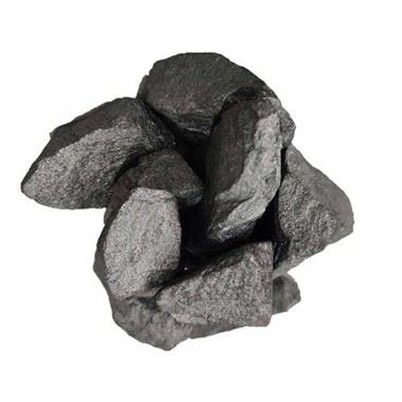
Silicon metal is a brittle, silver-grey crystalline material that is normally packed in one-tonne bags or in 25 kilogram bags on pallets, with lump sizes such as 10-100 mm quoted in the contract and the proportion of fines agreed in advance. Smaller sizes are offered for some chemical and metallurgical routes, but lump size availability varies with the producer's screening capacity.
FOB terms leave inland transport, export clearance and loading with the seller, and place ocean freight and insurance with the buyer. Before treating an offer as comparable, purchasers should confirm the grade code and analytical basis, the lump size range and fines allowance, the packing format and net weight, the port of loading and shipment window, and the payment terms and documents required. A certificate of analysis covering iron, aluminium and calcium is the core quality document on any silicon metal shipment, and an independent analysis at the loading port is the usual safeguard against a discrepancy between the certificate and the delivered material.
Frequently Asked Questions
Q: What were the February 13, 2023 silicon metal quotations?
Grade 2202 was quoted at 4250-4350 USD/ton, 421 at 2800-2860, 3303 at 2760-2810, 441 at 2700-2750 and 553 at 2520-2560, all FOB.
Q: How do I read a grade code such as 3303?
The digits give iron, aluminium and calcium limits in order: 3303 means iron 0.3 percent, aluminium 0.3 percent and calcium 0.03 percent.
Q: Why is the 2202 grade so much more expensive?
Its very low iron, aluminium and calcium limits take it outside mainstream production, it is made in limited volume and it serves a small number of specialised consumers.
Q: Which grade is used for aluminium alloys?
The 553 and 441 grades are the standard choices in aluminium alloying, because a moderate impurity level is acceptable in that process.
Q: What is chemical grade silicon metal?
Grades such as 3303 and 421 are used for silicones, silanes and fumed silica, where tight control of iron, aluminium and calcium is needed to protect the process.
Q: Are the quotations delivered prices?
No. They are FOB offers, so ocean freight, insurance and destination costs are additional and are arranged by the buyer.