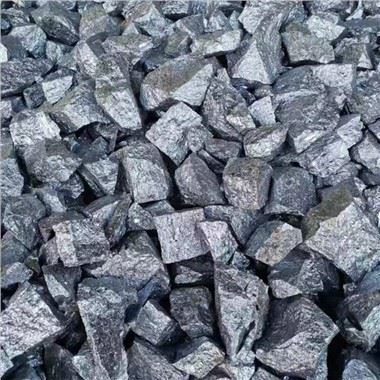
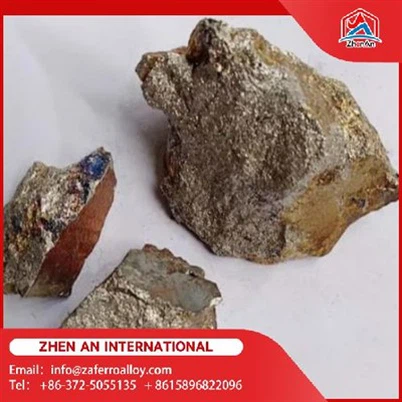
Calcium Carbide 50-80 mm in 50 kg and 100 kg Steel Drums: Packing and Specification Guide
Leave a message
Product Definition and Grade Basis
Calcium carbide, formula CaC2, has a formula mass of 64.10 g/mol and is supplied as gray-black lumps with a characteristic odour of acetylene in damp air. GB/T 10665 covers calcium carbide for industrial use and sets out the requirements for granularity, gas yield and impurity limits that a supplier must declare on the certificate of analysis. Gas yield is expressed as litres of acetylene released per kilogram of carbide, measured at 20 C and 101.325 kPa. Ordinary commercial grades are specified at a minimum of about 295 L/kg, while high-yield grades reach 300-305 L/kg.
Why 50-80 mm Lumps Suit Acetylene Generators
Generator design fixes the usable lump size. A 50-80 mm charge gives a steady hydrolysis rate in a basket or tray type generator, because water reaches the surface progressively and the reaction front does not run away. Oversize lumps hydrolyse slowly, leaving unreacted cores that are lost with the carbide lime residue. Undersize material below about 25 mm reacts so quickly in the presence of excess water that temperature and pressure spikes become difficult to control, and the fine fraction also thickens the lime slurry and blocks discharge valves.
Drum Packaging: 50 kg and 100 kg Options
Carbide is packed in hermetically closed steel drums, most often with a 0.8-1.2 mm wall, a gasketed lid and an internal rust-preventive coating. The 50 kg drum is the manual handling format for smaller generators and for repacking operations, while the 100 kg drum lowers the packaging cost per tonne and reduces the number of closures exposed to moisture. Both formats are handled on pallets with strapping, and each drum carries a batch number, net weight, size range and the hazard label for a substance that releases flammable gas on contact with water. Sealing matters more than wall thickness: a single unbonded gasket allows enough water vapour into the headspace in humid conditions to generate acetylene and pressurise the drum.
| Drum parameter | 50 kg format | 100 kg format |
|---|---|---|
| Net weight | 50 kg | 100 kg |
| Wall thickness | 0.8-1.0 mm | 1.0-1.2 mm |
| Closure | Gasketed lid, ring clamp | Gasketed lid, ring clamp or crimped |
| Internal treatment | Rust-preventive coating | Rust-preventive coating |
| Typical size range | 50-80 mm | 50-80 mm |
Gas Yield and Reaction Stoichiometry
Hydrolysis follows CaC2 + 2 H2O giving C2H2 + Ca(OH)2, and it is strongly exothermic. One kilogram of pure carbide is 15.6 mol, which corresponds to about 349 litres of acetylene at 0 C and 101.325 kPa, or about 375 litres at 20 C. Commercial grades deliver 295-305 L/kg, roughly 79-81% of the 20 C stoichiometric ceiling, because calcium oxide, calcium hydroxide and other impurities dilute the reactive content and part of the gas remains dissolved in the lime slurry. The difference between 295 and 305 L/kg is a real cost item: on 100 tonnes of carbide it represents about 1,000 cubic metres of acetylene.
Transport, Storage and Safety
Calcium carbide is a Class 4.3 substance under UN 1402, meaning it reacts with water to emit a flammable gas, and it is assigned to packing group I or II according to granularity. Drums must be kept dry, stored on pallets in a well-ventilated warehouse away from steam lines, sprinkler discharge and any possibility of flooding. Acetylene ignites over a very wide concentration range in air, from about 2.5% upward, so leaking drums must never be approached with open flame or non-rated electrical equipment. Stock should be rotated on a first-in-first-out basis and open drums should be resealed or consumed promptly.
Frequently Asked Questions
Q: What gas yield can be expected from 50-80 mm calcium carbide?
A: Standard industrial grades deliver about 295 L/kg minimum, and high-yield lots reach 300-305 L/kg when measured at 20 C and 101.325 kPa.
Q: Why are carbide drums sealed so tightly?
A: Because moisture in the headspace produces acetylene, which both reduces the deliverable gas yield and creates pressure inside the drum, so a gasketed lid and intact liner are essential.
Q: Is there a handling difference between 50 kg and 100 kg drums?
A: The 50 kg drum is manageable by one worker with a drum lifter, while the 100 kg format normally requires mechanical handling and gives a lower packaging cost per tonne.
Q: How should drums be stored before use?
A: In a dry, ventilated building on pallets, well clear of water, steam and fire risks, with rotation so that older lots are consumed first and lids are never left open.
Q: What happens to the carbide lime residue?
A: The hydrated lime slurry is separated and reused for pH neutralisation, soil stabilisation or flue gas scrubbing after the residual carbide content has been checked.