
Calcium Carbide: Chemistry, Uses, And Hazards
Leave a message

Calcium Carbide (CaC₂): Chemistry, Uses, Specifications and Safety Guide
1. What Is Calcium Carbide?
Calcium carbide (chemical formula: CaC₂) is an industrial inorganic compound mainly used for acetylene production, chemical manufacturing and metallurgical applications.
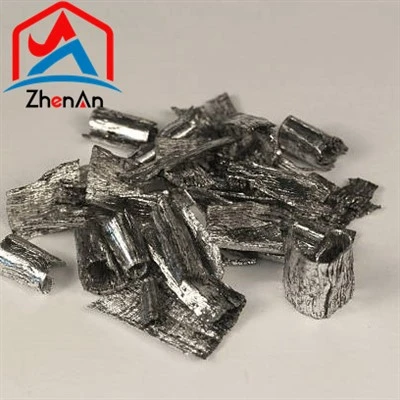
It is a gray to grayish-black crystalline material supplied in the form of lumps, granules or powder. The most important characteristic of calcium carbide is its ability to react with water and release acetylene gas:
CaC₂ + 2H₂O → C₂H₂↑ + Ca(OH)₂
This reaction is highly exothermic and forms the basis of industrial acetylene generation for welding, cutting and chemical synthesis.
Commercial calcium carbide is produced by reacting lime (CaO) with carbon materials at extremely high temperatures in an electric arc furnace.
2. Chemical Structure and Production Reaction
2.1 Chemical Structure
Calcium carbide consists of:
Calcium ions (Ca²⁺)
Dicarbide ions (C₂²⁻)
The C₂²⁻ ion contains two carbon atoms bonded together, giving calcium carbide high chemical reactivity.
Unlike conventional carbon materials, calcium carbide is not mainly used as an energy source. Its industrial value comes from its ability to generate acetylene and participate in chemical reactions.
2.2 Industrial Production Process
Calcium carbide is manufactured through a carbothermal reduction process.
The main reaction is:
CaO + 3C → CaC₂ + CO↑
The production process includes:
Step 1 - Raw Material Preparation
Main raw materials:
Lime (CaO)
Coke or anthracite carbon
Important raw material requirements:
High CaO content
High fixed carbon content
Low sulfur
Low ash
Low moisture
Step 2 - Electric Arc Furnace Reaction
The mixture is charged into an electric arc furnace.
At temperatures above 2000 °C, carbon reduces calcium oxide and forms molten calcium carbide.
Step 3 - Cooling and Processing
The molten carbide is:
Tapped from the furnace
Cooled into solid blocks
Crushed and screened into required sizes
Commercial sizes include:
4–7 mm
7–15 mm
15–50 mm
50–80 mm
80–120 mm
3. Key Chemical Properties of Calcium Carbide
| Property | Typical Description |
|---|---|
| Chemical Formula | CaC₂ |
| Appearance | Gray to grayish-black lumps, granules or powder |
| Reaction with Water | Produces acetylene gas and calcium hydroxide |
| Reaction Type | Exothermic and moisture-sensitive |
| Melting Point | Approximately 2160–2300 °C |
| Industrial Purity | Commonly 80–93% CaC₂ |
| Gas Yield Range | 255–295 L/kg (GB 10665 reference) |
The industrial performance of calcium carbide depends on:
CaC₂ content
Gas yield
Particle size
Moisture level
Impurity content
4. Calcium Carbide Grades and Specifications
Calcium carbide grades are mainly classified according to:
Calcium carbide content
Acetylene gas yield
Particle size
Impurity limits
Typical Industrial Specifications
| Parameter | Typical Range |
|---|---|
| CaC₂ Content | 80–93% |
| Acetylene Gas Yield | 255–295 L/kg |
| Sulfur (S) | ≤0.20% |
| Phosphorus (P) | ≤0.15% |
| Moisture | ≤0.50% |
| Size Range | 4–120 mm |
Actual specifications depend on customer requirements and application conditions.
5. Main Industrial Applications of Calcium Carbide
5.1 Acetylene Production
The largest application of calcium carbide is industrial acetylene generation.
When calcium carbide reacts with water, acetylene gas is produced:
CaC₂ + 2H₂O → C₂H₂ + Ca(OH)₂
Generated acetylene is used for:
Oxy-acetylene welding
Metal cutting
Industrial gas applications
Vinyl chloride monomer (VCM) production
PVC manufacturing
Other acetylene-based chemicals
High-quality calcium carbide helps improve:
Gas yield
Generator efficiency
Production stability
5.2 Chemical Manufacturing
Acetylene produced from calcium carbide is an important chemical intermediate.
Applications include:
Vinyl chloride monomer (VCM)
PVC production
Organic chemical synthesis
Acetylene derivatives
Calcium carbide can also react with nitrogen at high temperatures to produce calcium cyanamide:
CaC₂ + N₂ → CaCN₂ + C
Calcium cyanamide is used as a nitrogen-containing agricultural chemical.
5.3 Metallurgical Applications
In metallurgy, calcium carbide is mainly used as a desulfurizing agent for molten iron treatment.
It reacts with sulfur compounds and helps reduce sulfur levels before steel production.
Applications include:
Iron desulfurization
Foundry treatment
Steelmaking processes
Benefits include:
Reduced sulfur content
Improved metal quality
Better control of steel properties
6. Calcium Carbide Hazards
Calcium carbide requires strict handling because it reacts strongly with moisture and produces flammable acetylene gas.
6.1 Flammability Risk
The main hazard comes from acetylene generation.
Acetylene is:
Highly flammable
Easily ignited
Explosive within certain air concentration ranges
Even small amounts of moisture can trigger acetylene release.
6.2 Toxic Impurity Risk
Lower-quality calcium carbide may contain impurities such as:
Sulfur compounds
Phosphorus compounds
Trace arsenic compounds
During hydrolysis, some impurities may form hazardous gases.
For industrial applications, buyers should request:
Chemical analysis
COA
SDS documentation
6.3 Moisture Sensitivity
Calcium carbide reacts with:
Water
Humidity
Moisture-containing materials
Possible risks:
Heat generation
Acetylene accumulation
Pressure buildup
Container damage
6.4 Alkaline Byproduct Risk
The reaction produces calcium hydroxide (Ca(OH)₂), which is alkaline.
Contact may cause:
Skin irritation
Eye irritation
Respiratory discomfort
7. Calcium Carbide Safety Guidelines
Personal Protection Equipment (PPE)
Recommended protection:
Chemical-resistant gloves
Safety goggles
Protective clothing
Appropriate respiratory protection where required
Storage Requirements
Calcium carbide should be stored:
In airtight moisture-resistant containers
In dry and ventilated warehouses
Away from water sources
Away from acids and heat sources
Recommended packaging:
Steel drums
Moisture-proof bags
Bulk containers with protective liners
Transportation
Calcium carbide is classified as a water-reactive hazardous material.
Transportation should follow applicable dangerous goods regulations, including:
UN 1402 classification
Approved packaging requirements
Proper labeling and documentation
8. Quality Control and Purchasing Requirements
Industrial buyers should evaluate calcium carbide based on:
Chemical Parameters
Including:
CaC₂ content
Gas yield
Sulfur
Phosphorus
Moisture
Physical Parameters
Including:
Particle size distribution
Packaging condition
Storage stability
Quality Documents
Professional suppliers should provide:
Certificate of Analysis (COA)
Including:
Product grade
Test results
Batch information
Safety Data Sheet (SDS)
Including:
Hazard information
Storage instructions
Emergency procedures
9. Frequently Asked Questions
What is calcium carbide mainly used for?
Calcium carbide is mainly used for acetylene production, chemical manufacturing and metallurgical desulfurization.
How does calcium carbide produce acetylene?
Calcium carbide reacts with water to produce acetylene gas and calcium hydroxide through an exothermic reaction.
What purity of calcium carbide is commonly used industrially?
Industrial grades commonly contain approximately 80–93% CaC₂ depending on application requirements.
What size calcium carbide is used for acetylene generators?
Common sizes include 15–50 mm, 50–80 mm and 80–120 mm depending on generator design.
Why must calcium carbide be stored away from moisture?
Because moisture causes acetylene generation, heat release and potential safety risks.
What documents should buyers request before purchase?
Buyers should request COA, SDS and technical specifications before shipment.

Industrial Calcium Carbide Supply
We supply calcium carbide for industrial acetylene production, chemical manufacturing and metallurgical applications with controlled CaC₂ content, gas yield, particle size and export packaging.
Customized grades are available according to customer requirements.
WhatsApp: +86 15518824805
Email: info@zaferroalloy.com
Calcium Carbide VS Similar Products
Calcium carbide is often compared with other calcium-based materials and acetylene supply methods. The best choice depends on the required application, gas generation method, operating conditions and cost considerations.
Calcium Carbide VS Acetylene Gas Cylinder
| Comparison | Calcium Carbide (CaC₂) | Acetylene Gas Cylinder |
|---|---|---|
| Supply form | Solid chemical material | Compressed gas |
| Gas generation | Produces acetylene by reaction with water | Ready-to-use acetylene gas |
| Main reaction | CaC₂ + 2H₂O → C₂H₂ + Ca(OH)₂ | No generation required |
| Storage | Requires moisture-proof storage | Requires pressurized gas cylinders |
| Transportation | Solid material, easier bulk shipping | Requires cylinder handling |
| Application | Industrial acetylene generation, large users | Welding shops, portable applications |
| Cost factor | Depends on carbide grade and gas yield | Depends on cylinder filling and distribution |
When to choose calcium carbide:
Calcium carbide is preferred when users operate their own acetylene generators and require continuous acetylene production.
When to choose acetylene cylinders:
Compressed acetylene is more suitable for small-scale welding operations where on-site gas generation is not practical.
Calcium carbide remains an important industrial acetylene source because the reaction with water directly produces acetylene and hydrated lime as a by-product. (International Industrial Gases Ltd)
Calcium Carbide VS Calcium Oxide (Quicklime, CaO)
| Comparison | Calcium Carbide (CaC₂) | Calcium Oxide (CaO) |
|---|---|---|
| Chemical formula | CaC₂ | CaO |
| Main production | Lime + carbon reduction in electric furnace | Limestone calcination |
| Main function | Acetylene generation and desulfurization | Flux, neutralizer, steelmaking additive |
| Reaction with water | Produces acetylene gas | Produces calcium hydroxide |
| Gas generation | Yes | No |
| Industrial energy value | Chemical reactivity | Alkalinity |
Key difference:
Calcium oxide is mainly used as a basic material and flux, while calcium carbide provides a carbon-containing reactive compound capable of generating acetylene.
Calcium Carbide VS Calcium Cyanamide
| Comparison | Calcium Carbide (CaC₂) | Calcium Cyanamide (CaCN₂) |
|---|---|---|
| Chemical formula | CaC₂ | CaCN₂ |
| Production relationship | Raw material for cyanamide production | Produced by reacting CaC₂ with nitrogen |
| Main application | Acetylene production, metallurgy | Nitrogen fertilizer, chemical synthesis |
| Industrial role | Intermediate chemical | Final nitrogen-containing product |
At high temperatures, calcium carbide can react with nitrogen to form calcium cyanamide:
CaC₂ + N₂ → CaCN₂ + C
Therefore, calcium carbide is an important intermediate material in the calcium cyanamide production chain.
Calcium Carbide VS Silicon Carbide (SiC)
| Comparison | Calcium Carbide (CaC₂) | Silicon Carbide (SiC) |
|---|---|---|
| Chemical formula | CaC₂ | SiC |
| Material type | Reactive chemical compound | Ceramic compound |
| Main characteristics | Generates acetylene, reacts with water | High hardness, thermal resistance |
| Main applications | Acetylene, metallurgy, chemicals | Abrasives, refractories, semiconductor materials |
| Water reaction | Produces gas | Generally stable |
| Heat resistance | Reactive material | Extremely high-temperature resistant |
Although both contain carbon, calcium carbide and silicon carbide serve completely different industrial purposes.
CaC₂: chemical reaction material
SiC: high-performance ceramic and abrasive material
Calcium Carbide Selection Guide
| Application | Recommended Material |
|---|---|
| Industrial acetylene production | Calcium carbide with suitable gas yield |
| Welding gas generation | Calcium carbide lumps with stable reaction rate |
| Steel desulfurization | Metallurgical-grade calcium carbide |
| Chemical synthesis | High-quality CaC₂ with controlled impurities |
| High-temperature refractory | Silicon carbide instead of calcium carbide |
Key Purchasing Consideration
When comparing calcium carbide with alternative products, buyers should evaluate:
Required application
Gas generation requirement
CaC₂ content
Acetylene yield
Particle size
Impurity limits
Storage and transportation conditions
A correct comparison should always be based on the final industrial purpose, not only the material price.