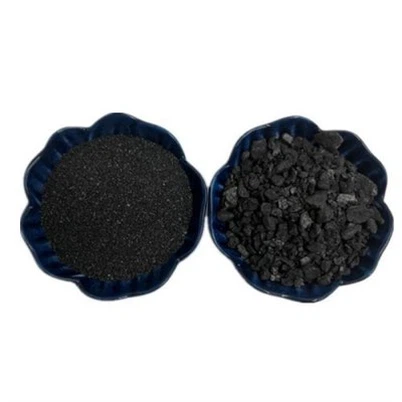

Ferrovanadium Supply Guide: FeV50 and FeV80 Grades, Pricing and Shipping
Leave a message
Ferrovanadium is the standard carrier used to introduce vanadium into micro-alloyed steels, tool steels and titanium alloys. Two grades dominate international trade, FeV50 and FeV80, and the quotations below set out the domestic and export reference levels recorded during July 2025 so that alloy buyers can compare basis and units correctly.
The Role of Ferrovanadium in Modern Steelmaking
Vanadium is added in small amounts, typically 0.02 to 0.15 percent, to deliver grain refinement and precipitation strengthening through vanadium carbonitrides. In practice that means a modest addition lifts yield strength substantially without sacrificing weldability, which is why ferrovanadium underpins high-strength rebar, structural sections, forging stock, rail and tooling. The same alloying route supplies the aluminium-vanadium master alloys consumed when titanium alloys are melted, so ferrovanadium demand tracks both the steel and the aerospace supply chains rather than following a single end market.
Grade Designations: FeV50 and FeV80
Grade designations in the Chinese system follow GB/T 4139, with FeV50 and FeV80 as the mainstream commercial products. The designation states the guaranteed vanadium content; aluminium, silicon, carbon, phosphorus and sulphur are controlled on top of it. Because those impurity ceilings dictate how the addition behaves in a vacuum degasser or an open ladle, the grade specification should be read together with the heat analysis on the mill certificate rather than treated as a simple percentage.
| Grade | Vanadium content | Product form | Typical field of use |
|---|---|---|---|
| FeV50 | 48 - 55% V | Lump 10-50 mm, powder 0-3 mm | Micro-alloyed rebar and sections, general high-strength steel |
| FeV80 | 78 - 82% V | Lump 10-50 mm, crushed fines | Special steels, titanium alloy melting, precision alloying |
The higher grade carries more vanadium units per tonne of freight and per tonne of melt addition, which matters where charging capacity or ladle space is constrained. The lower grade is normally the economic choice for bulk micro-alloying, provided the impurity balance suits the steel being produced.
Domestic Transaction Levels and Quotation Basis
Domestic quotations for 22 July 2025 are shown in ten thousand yuan per tonne, with acceptance tax included, which is the settlement basis most Chinese mills use. Two columns are published for each grade: the level at which business actually transacted, and the slightly higher mainstream offer level.
| Product | Grade | Mainstream transaction (10,000 yuan/tonne) | Mainstream price (10,000 yuan/tonne) | Remark |
|---|---|---|---|---|
| Ferrovanadium | FeV50 | 8.1 - 8.2 | 8.3 - 8.4 | Acceptance tax included |
| Ferrovanadium | FeV80 | 12.96 - 13.12 | 13.28 - 13.44 | Acceptance tax included |
Read across the two grades and the vanadium unit value is broadly aligned, which confirms that the market prices contained vanadium rather than the alloy as such. The persistent gap between transaction and offer levels is the normal negotiation band for acceptance sales, and it widens when mills delay settlement.
International Quotations and Vanadium Pentoxide Feedstock
The international references recorded on 18 July 2025 are quoted on two different unit bases, and conflating them produces misleading comparisons. European material is quoted per kilogram of contained vanadium, while the United States quotation is per pound of contained vanadium.
| Product | Specification | Lowest price | Highest price | Price description |
|---|---|---|---|---|
| Ferrovanadium | 70-80% V, Europe | 23.50 | 24.01 | USD per kg of vanadium |
| Ferrovanadium | 70-80% V, United States | 14.40 | 15.01 | USD per pound of vanadium |
| Vanadium pentoxide | 98% V2O5 | 4.85 | 5.26 | USD per pound of vanadium |
Converting the European range to the pound basis, the 23.50 to 24.01 USD per kg band equals roughly 10.7 to 10.9 USD per pound of vanadium, using 2.20462 pounds to the kilogram. The United States quotation therefore sits above the converted European level, a difference that reflects regional market balance and delivery basis rather than a different metal. Vanadium pentoxide at 4.85 to 5.26 USD per pound of vanadium is the feedstock reference that ultimately anchors ferrovanadium pricing, since most alloy production reduces V2O5 aluminothermically.
Sourcing, Packaging and Shipping Considerations
Specify the grade, the size fraction and the packing unit; 250 kg drums and 1 tonne big bags are the common export formats, while lump 10-50 mm is the usual shipping size.
Require a mill certificate carrying the heat number and the vanadium assay, and check the aluminium, silicon, carbon and phosphorus values against the ordered grade.
Agree the weight basis, since ferrovanadium is invoiced on contained vanadium or on gross weight depending on the market convention applied.
Plan container payload around 20 to 25 tonnes, and allow for a longer inland leg if the material is loaded at an inland plant rather than at the port.
For repeat programmes, hold a dated price reference such as the tables above so that repricing is discussed against published numbers instead of recollection.
Arrange sampling and analysis at loading if the parcel is large, because grade disputes are far cheaper to settle before the container sails.
Frequently Asked Questions
Q: What is ferrovanadium used for?
It is the standard addition for introducing vanadium into steel, delivering grain refinement and precipitation strengthening in rebar, sections, forging stock and tool steels, and it also feeds aluminium-vanadium master alloys for titanium melting.
Q: Should I choose FeV50 or FeV80?
FeV50 is normally the economic choice for bulk micro-alloying because it costs less per tonne, while FeV80 suits special steels and titanium alloy melting where high vanadium units per charge and tighter residuals are needed.
Q: Why do European and United States quotations look so different?
The units differ. Europe is quoted per kilogram of contained vanadium and the United States per pound, so the European band converts to roughly 10.7 to 10.9 USD per pound, below the United States quotation.
Q: How does vanadium pentoxide affect ferrovanadium prices?
V2O5 is the principal feedstock for aluminothermic reduction, so its price sets the floor under alloy quotations. A move in the 98% V2O5 reference is normally transmitted to ferrovanadium within a few weeks.
Q: What is the difference between transaction and offer levels?
Transaction levels record where business settled, while offer levels are the prevailing asking prices. The spread between them is the normal negotiation band and typically widens when settlement is delayed.
Q: What packing and shipping sizes are standard?
Lump 10-50 mm in 250 kg drums or 1 tonne big bags is the usual export presentation, with container payloads planned at 20 to 25 tonnes per box.