

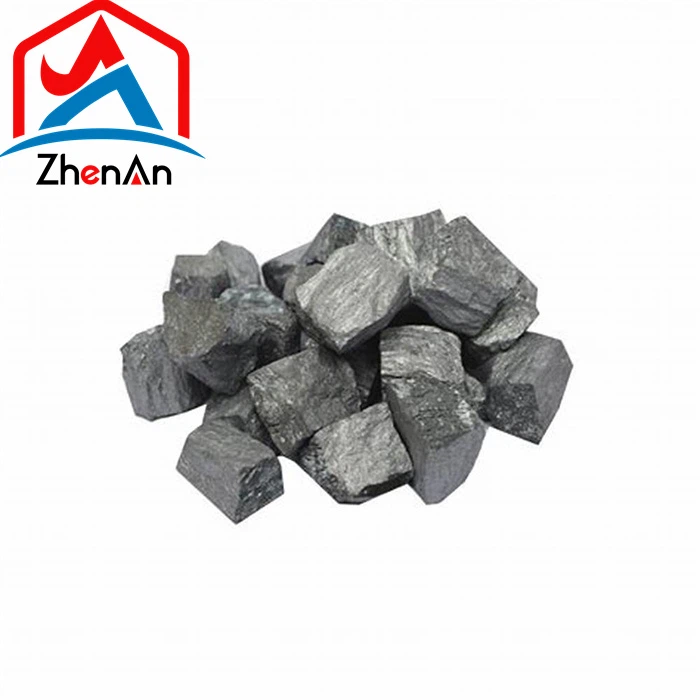
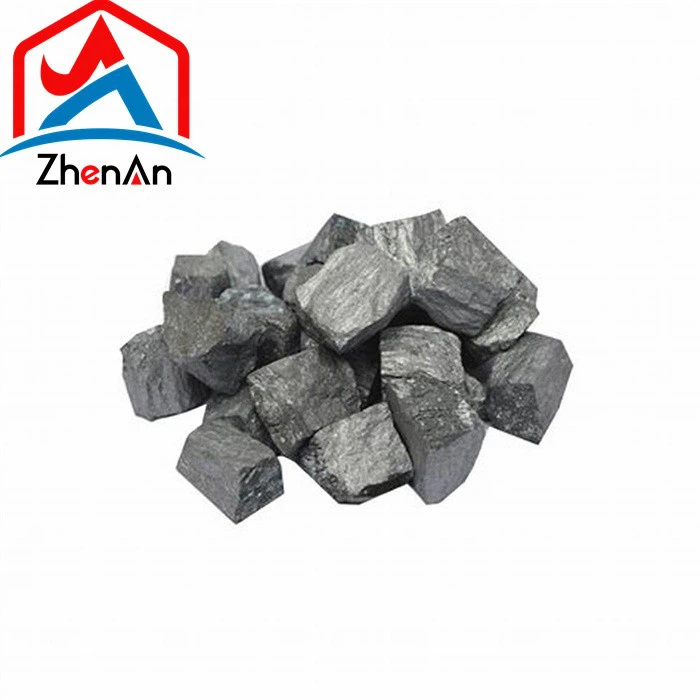
Ferrotitanium For Shipbuilding
Titanium and its alloys offer exceptional resistance to corrosion, especially in seawater environments. This makes them well-suited for shipbuilding applications where exposure to saltwater and marine conditions is significant.
Description
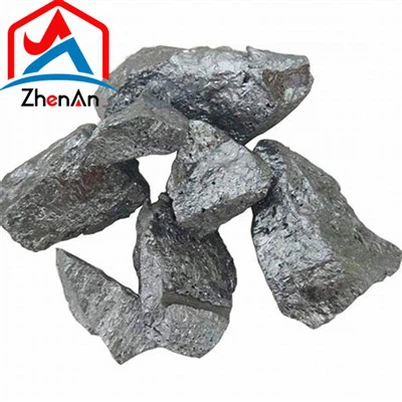
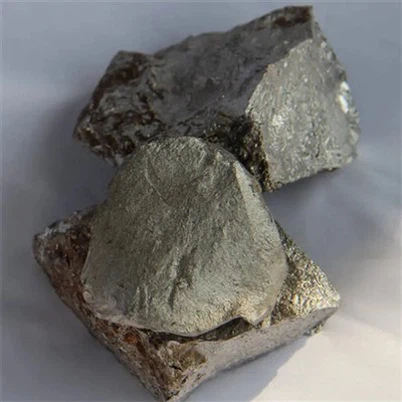
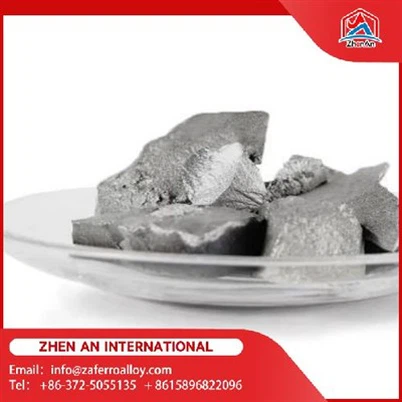
ZhenAn International Co., Limited is one of the most reliable manufacturers and suppliers of ferrotitanium for shipbuilding in China. With abundant experience, we warmly welcome you to wholesale discount ferrotitanium for shipbuilding in stock here from our factory. Quality products and reasonable price are available.
Products Description
Titanium is a lightweight metal with a high strength-to-weight ratio. Using titanium components in ship construction can reduce overall weight, contributing to improved fuel efficiency and increased cargo capacity.
Specification
|
FERRO TITANIUM
|
|||||||
|
ITEM
|
CHEMICAL%
|
||||||
|
TI%
|
AL
|
Si
|
P
|
S
|
C
|
Mn
|
|
|
MAX
|
|||||||
|
FeTi70-A
|
65-75
|
3.0
|
0.5
|
0.04
|
0.03
|
0.10
|
1.0
|
|
FeTi70-B
|
65-75
|
5.0
|
0.4
|
0.06
|
0.03
|
0.20
|
1.0
|
Let's discuss the characteristics of titanium and its potential use in shipbuilding:
High Strength: While titanium is lighter than steel, it still provides considerable strength, making it suitable for critical structural components in ships.
Fatigue Resistance: Titanium exhibits excellent fatigue resistance, ensuring that components subjected to cyclic loading, such as propellers and rudders, can withstand repeated stresses over time.
Low Thermal Expansion: Titanium's low coefficient of thermal expansion helps maintain structural integrity under varying temperatures and thermal stresses.
Non-Magnetic: Titanium is non-magnetic, which can be advantageous in shipbuilding, especially for vessels requiring non-magnetic properties, such as minesweepers or submarines.
Biofouling Resistance: Some titanium alloys possess natural resistance to biofouling, reducing the attachment of marine organisms on ship hulls and decreasing drag during navigation.
Despite its advantageous properties, titanium is relatively expensive compared to conventional shipbuilding materials like steel and aluminum. As a result, its use in shipbuilding is often limited to specific high-performance applications, such as critical components in naval vessels or lightweight structures in high-speed ships.
For typical commercial shipbuilding, steel and aluminum alloys remain the dominant materials due to their favorable balance of cost, availability, and mechanical properties for a wide range of ship types and sizes.
As materials science and shipbuilding technologies continue to advance, the use of titanium and other advanced materials in shipbuilding may evolve. However, it is essential to consider factors such as cost, availability, regulatory requirements, and specific vessel needs when selecting materials for ship construction.
FAQ
Q: How to guarantee the quality?
A3: Our factory lab can supply the quality report ,and we can arrange third party inspection when cargo arriving loading port .
Q: Can you supply the special size and packing?
A4:Yes, we can supply the size according to buyers'request.
Q: What's the MOQ of trial order?
A5: No limit,We can offer the best suggestions and solutions according to your condition.
Q: How long is delivery time?
A6: The delivery time will be determined according to the quantity of the order
Contact Us

ZHEN AN INTERNATIONAL CO., LTD
Fax:
Email:info@zaferroalloy.com
Website: https://www.zaferroalloy.cn/
Head office: Huafu Office, Anyang City, Henan Province, China
Hot Tags: ferrotitanium for shipbuilding, China ferrotitanium for shipbuilding manufacturers, suppliers, factory, Ferrotitanium For Toolmaking, Deoxidizer Ferro Titanium, High Purity Ferrotitanium, Ferrotitanium For Heat Exchangers, Ferrotitanium For Aerospace
Send Inquiry
You Might Also Like